Jesus Calls Sinners to Repentance
“And it came to pass, that, as Jesus sat at meat in his house, many publicans and sinners sat also together with Jesus and his disciples: for there were many, and they followed him. And when the scribes and Pharisees saw him eat with publicans and sinners, they said unto his disciples, “How is it that he eateth and drinketh with publicans and sinners?” When Jesus heard it, he saith unto them, “They that are whole have no need of the physician, but they that are sick: I came not to call the righteous, but sinners to repentance.”” — Mark 2:15–17 (KJV)
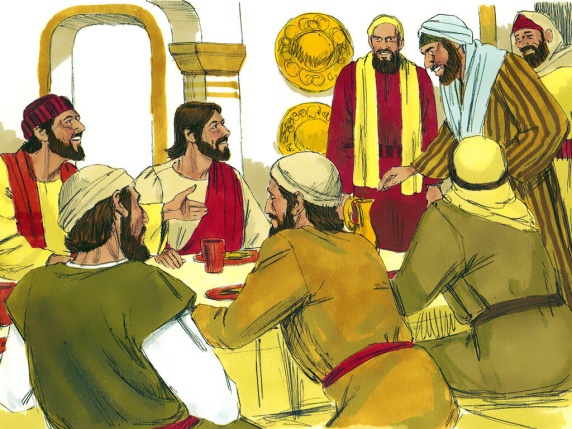
Matthew then held a great feast in his house to honour Jesus, and it so happened that a good number of tax collectors and others considered sinners were present at the table with Jesus and His disciples. When the Pharisees and the scribes saw this, they were displeased, and asked the disciples of Jesus why He associated with tax collectors, sinners, and outcasts. Jesus heard them, and said that the very purpose of His coming into this world was to bring sinners to repentance.
The Sermon on the Mount — the Beatitudes
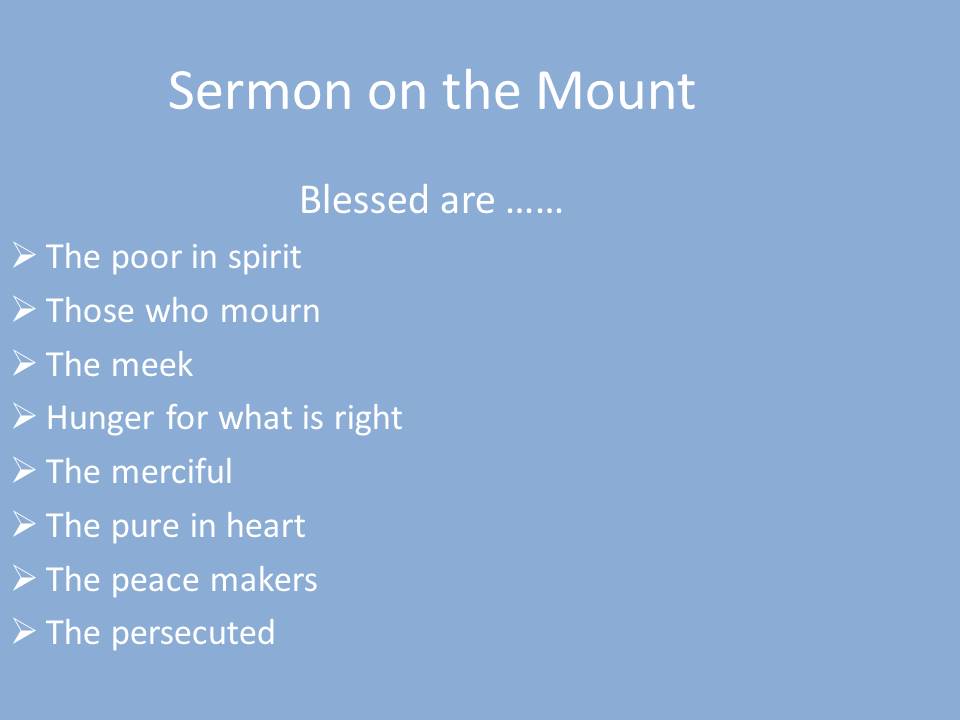
“Blessed are the poor in spirit: for theirs is the kingdom of heaven. Blessed are they that mourn: for they shall be comforted. Blessed are the meek: for they shall inherit the earth. Blessed are they which do hunger and thirst after righteousness: for they shall be filled. Blessed are the merciful: for they shall obtain mercy. Blessed are the pure in heart: for they shall see God. Blessed are the peacemakers: for they shall be called the children of God. Blessed are they which are persecuted for righteousness’ sake: for theirs is the kingdom of heaven.” — Matthew 5:3–10 (KJV)
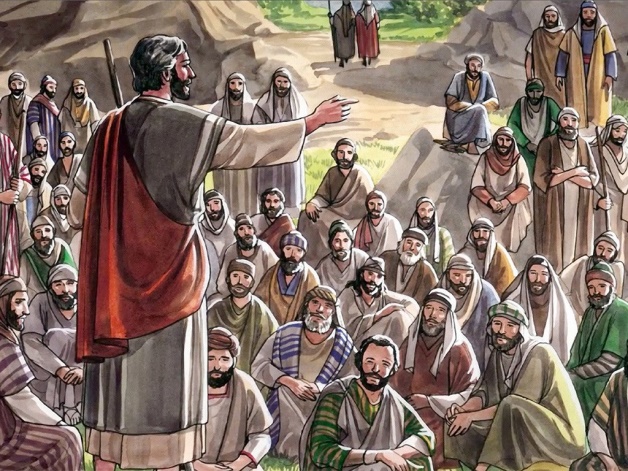
The popularity of Jesus increased day by day, so much so that a large crowd followed Him wherever He went. Seeing the gathering, Jesus went up a hill and sat down to teach the large but attentive crowd. He made profound statements during this teaching, which came to be known as the Sermon on the Mount.
Jesus taught the people, during the Sermon on the Mount, insightful truths about the attitude they should keep in various circumstances of life. These teachings are therefore known as the “beatitudes” — from the Latin word for blessedness — though many remember them by the more playful description “beautiful attitudes.”
You Are the Salt and Light of the Earth
“Ye are the salt of the earth: but if the salt have lost his savour, wherewith shall it be salted? it is thenceforth good for nothing, but to be cast out, and to be trodden under foot of men. Ye are the light of the world. A city that is set on an hill cannot be hid.” — Matthew 5:13–14 (KJV)
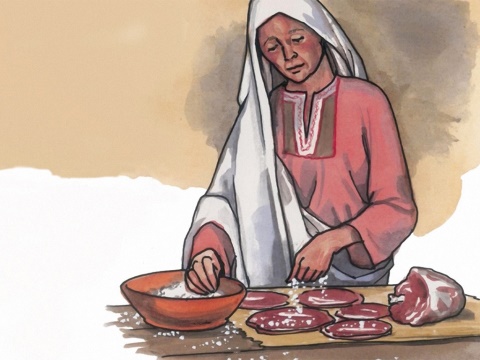
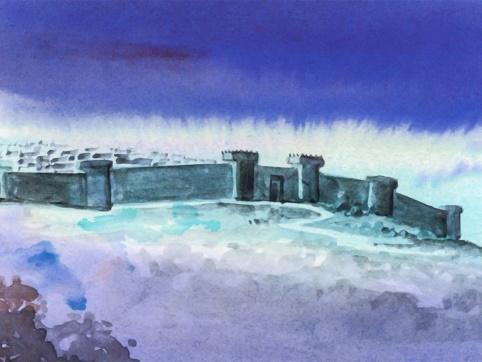
Jesus then spoke about the very purpose of our being on this earth, comparing us to the “salt of the earth” and the “light of the world.” Salt preserves and brings out the flavour in food, and was a valued and life-sustaining resource in the ancient world; darkness is overcome by light, and by it we walk in this world without stumbling. The lesson here is that our lives should reflect the virtues of God to all around us, and that we should help others also to thrive as God’s people.
Love Your Enemies
“But I say unto you which hear, “Love your enemies, do good to them which hate you, bless them that curse you, and pray for them which despitefully use you. And unto him that smiteth thee on the one cheek offer also the other; and him that taketh away thy cloke forbid not to take thy coat also. Give to every man that asketh of thee; and of him that taketh away thy goods ask them not again. And as ye would that men should do to you, do ye also to them likewise. For if ye love them which love you, what thank have ye? for sinners also love those that love them.”” — Luke 6:27–32 (KJV)
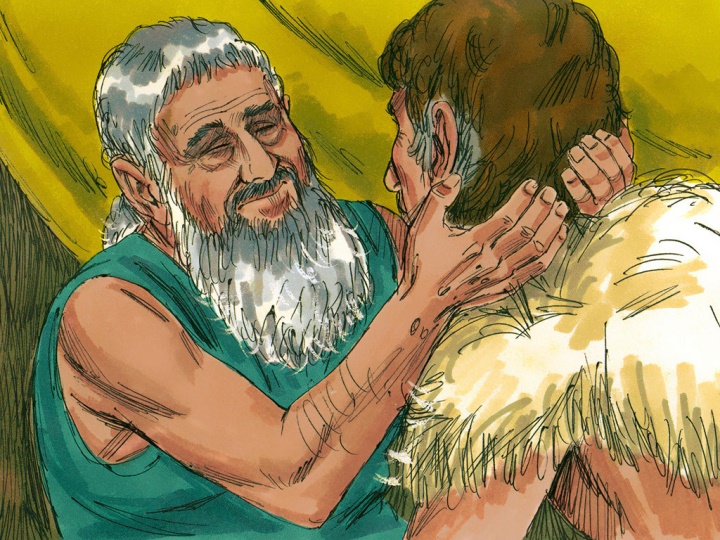
Jesus continued to teach them, saying that one should treat others just as we would wish to be treated ourselves; that we should do good to others, and love everyone, without expecting anything in return. He taught that such an attitude towards everyone we meet is what God delights in, and that we should be merciful, as our God is merciful to us.
Jesus Speaks on Murder and Adultery
“Ye have heard that it was said by them of old time, Thou shalt not kill; and whosoever shall kill shall be in danger of the judgment: but I say unto you, That whosoever is angry with his brother without a cause shall be in danger of the judgment: and whosoever shall say to his brother, Raca, shall be in danger of the council: but whosoever shall say, Thou fool, shall be in danger of hell fire. Therefore if thou bring thy gift to the altar, and there rememberest that thy brother hath ought against thee; leave there thy gift before the altar, and go thy way; first be reconciled to thy brother, and then come and offer thy gift. Agree with thine adversary quickly, whiles thou art in the way with him; lest at any time the adversary deliver thee to the judge, and the judge deliver thee to the officer, and thou be cast into prison. Verily I say unto thee, Thou shalt by no means come out thence, till thou hast paid the uttermost farthing. Ye have heard that it was said by them of old time, Thou shalt not commit adultery: but I say unto you, That whosoever looketh on a woman to lust after her hath committed adultery with her already in his heart.” — Matthew 5:21–28 (KJV)
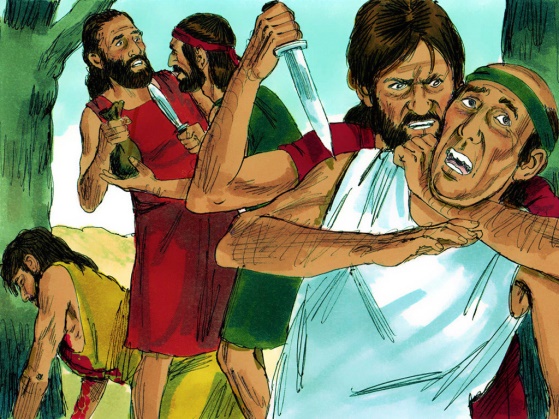
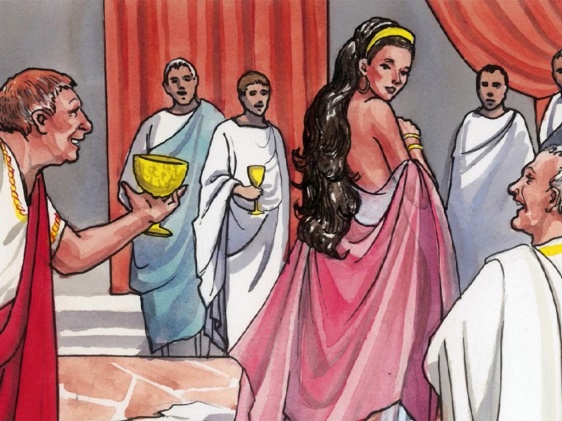
Jesus went on to discuss two of the Ten Commandments God had given through Moses: “Thou shalt not kill” and “Thou shalt not commit adultery.” Jesus said that even the very thought of such sins in the mind would render a person guilty.
Jesus on Judging Others
“Judge not, that ye be not judged. For with what judgment ye judge, ye shall be judged: and with what measure ye mete, it shall be measured to you again. And why beholdest thou the mote that is in thy brother’s eye, but considerest not the beam that is in thine own eye? Or how wilt thou say to thy brother, “Let me pull out the mote out of thine eye”; and, behold, a beam is in thine own eye? Thou hypocrite, first cast out the beam out of thine own eye; and then shalt thou see clearly to cast out the mote out of thy brother’s eye.” — Matthew 7:1–5 (KJV)
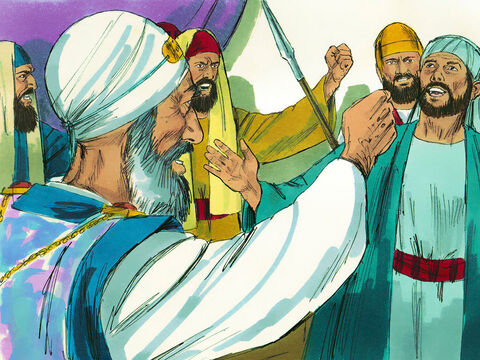
Jesus spoke about judging others and finding fault in them, while we ourselves remain subject to judgement because of our own sins and shortcomings.
Jesus on Marriage and Divorce
“And he answered and said unto them, “Have ye not read, that he which made them at the beginning made them male and female, and said, ‘For this cause shall a man leave father and mother, and shall cleave to his wife: and they twain shall be one flesh?’ Wherefore they are no more twain, but one flesh. What therefore God hath joined together, let not man put asunder.”” — Matthew 19:4–6 (KJV)
“Whosoever shall put away his wife, saving for the cause of fornication, causeth her to commit adultery: and whosoever shall marry her that is divorced committeth adultery.” — Matthew 5:31–32 (KJV)

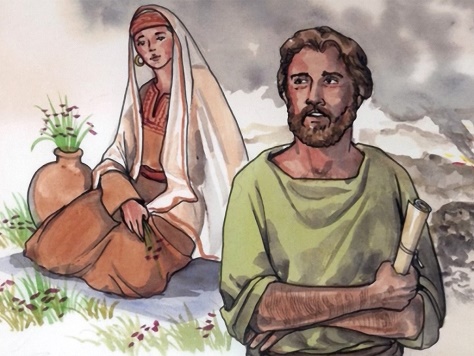
Jesus taught on the subject of divorce, disapproving of it entirely. He made two points on the subject: that although the law permitted a man to divorce his wife by writing a certificate of dissolution, it should not be done in a matter-of-fact manner; and that on being married, a couple no longer remain two individuals, but form a new unity before God.
Jesus on Swearing
“Again, ye have heard that it hath been said by them of old time, Thou shalt not forswear thyself, but shalt perform unto the Lord thine oaths: but I say unto you, Swear not at all; neither by heaven; for it is God’s throne: nor by the earth; for it is his footstool: neither by Jerusalem; for it is the city of the great King. Neither shalt thou swear by thy head, because thou canst not make one hair white or black. But let your communication be, Yea, yea; Nay, nay: for whatsoever is more than these cometh of evil.” — Matthew 5:33–37 (KJV)

Jesus spoke against false swearing. No one should say anything casually without meaning it; He cautioned against swearing in the name of God or of heaven. All such speech is idle, and does more harm than good. Presenting oneself as pious, merely to make a point or gain popularity, is likewise not pleasing to God. It is not right to say “I will pray for you” or “God be with you” without meaning it, for such words are merely religious embellishment, and should not be indulged in.
Jesus against Retaliation
“Ye have heard that it hath been said, An eye for an eye, and a tooth for a tooth: but I say unto you, That ye resist not evil: but whosoever shall smite thee on thy right cheek, turn to him the other also. And if any man will sue thee at the law, and take away thy coat, let him have thy cloke also. And whosoever shall compel thee to go a mile, go with him twain. Give to him that asketh thee, and from him that would borrow of thee turn not thou away.” — Matthew 5:38–42 (KJV)
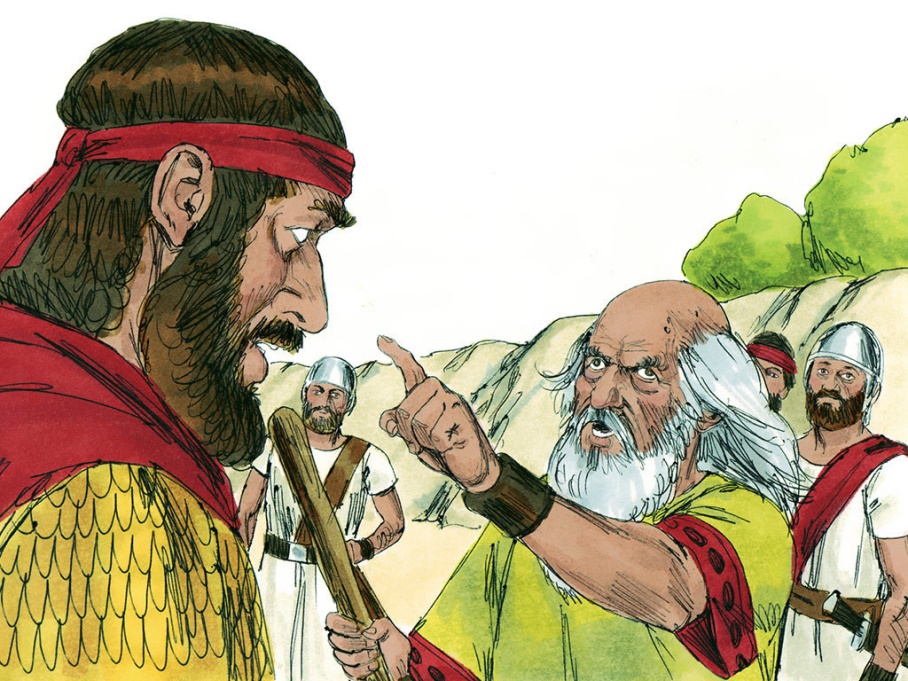
Jesus set aside two other old sayings — “an eye for an eye, a tooth for a tooth” and “love your neighbour” — as they were commonly understood. Evil action should be met with good, not with evil. Jesus corrected the mistaken idea that loving a friend meant that an enemy might rightly be hated: God makes no distinction between “friends” and “enemies” when He bestows the abundance of nature on all. As God’s people, we are called to reflect Him in all our actions.
Jesus: Do Good Quietly, Not for Self-Glory
“Take heed that ye do not your alms before men, to be seen of them: otherwise ye have no reward of your Father which is in heaven. Therefore when thou doest thine alms, do not sound a trumpet before thee, as the hypocrites do in the synagogues and in the streets, that they may have glory of men. Verily I say unto you, They have their reward. But when thou doest alms, let not thy left hand know what thy right hand doeth: that thine alms may be in secret: and thy Father which seeth in secret himself shall reward thee openly.” — Matthew 6:1–4 (KJV)
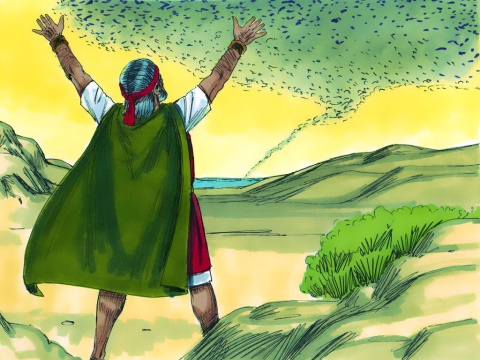
Jesus further cautioned that when a person seeks to do good to someone, it should be done only because the heart moves one to it, not as a performance to impress others: when giving to the needy, one’s left hand should not know what the right hand is doing. The same principle applies to prayer; it should not be for public show, but offered when one is alone.
Jesus Teaches How to Pray — the Lord’s Prayer
“And when thou prayest, thou shalt not be as the hypocrites are: for they love to pray standing in the synagogues and in the corners of the streets, that they may be seen of men. Verily I say unto you, They have their reward. But thou, when thou prayest, enter into thy closet, and when thou hast shut thy door, pray to thy Father which is in secret; and thy Father which seeth in secret shall reward thee openly. But when ye pray, use not vain repetitions, as the heathen do: for they think that they shall be heard for their much speaking. Be not ye therefore like unto them: for your Father knoweth what things ye have need of, before ye ask him.” — Matthew 6:5–8 (KJV)
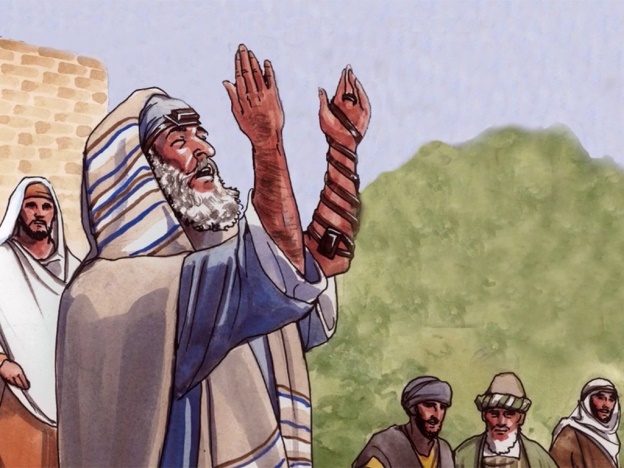
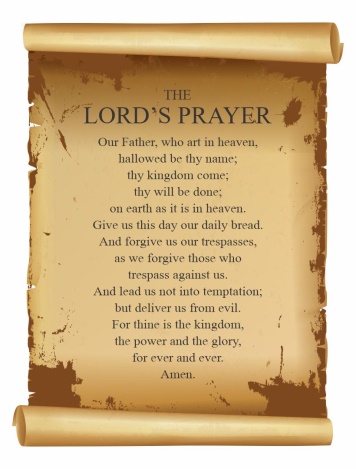
In answer to a question from one of His disciples, Jesus taught them how to pray. This prayer, which came to be known as the Lord’s Prayer, is said by believers to this day, practically every day. It begins by approaching God in adoration; acknowledging God’s will; appealing to God to meet our daily needs; admitting our sins and seeking forgiveness; expressing our trust in God’s deliverance from evil; and, finally, acknowledging God’s authority over all things.
God Will Provide for All Our Needs
“Therefore I say unto you, Take no thought for your life, what ye shall eat, or what ye shall drink; nor yet for your body, what ye shall put on. Is not the life more than meat, and the body than raiment? Behold the fowls of the air: for they sow not, neither do they reap, nor gather into barns; yet your heavenly Father feedeth them. Are ye not much better than they? Which of you by taking thought can add one cubit unto his stature? And why take ye thought for raiment? Consider the lilies of the field, how they grow; they toil not, neither do they spin: and yet I say unto you, That even Solomon in all his glory was not arrayed like one of these. Wherefore, if God so clothe the grass of the field, which to day is, and to morrow is cast into the oven, shall he not much more clothe you, O ye of little faith? Therefore take no thought, saying, ‘What shall we eat?’ or, ‘What shall we drink?’ or, ‘Wherewithal shall we be clothed?’ (For after all these things do the Gentiles seek:) for your heavenly Father knoweth that ye have need of all these things. But seek ye first the kingdom of God, and his righteousness; and all these things shall be added unto you. Take therefore no thought for the morrow: for the morrow shall take thought for the things of itself. Sufficient unto the day is the evil thereof.” — Matthew 6:25–34 (KJV)
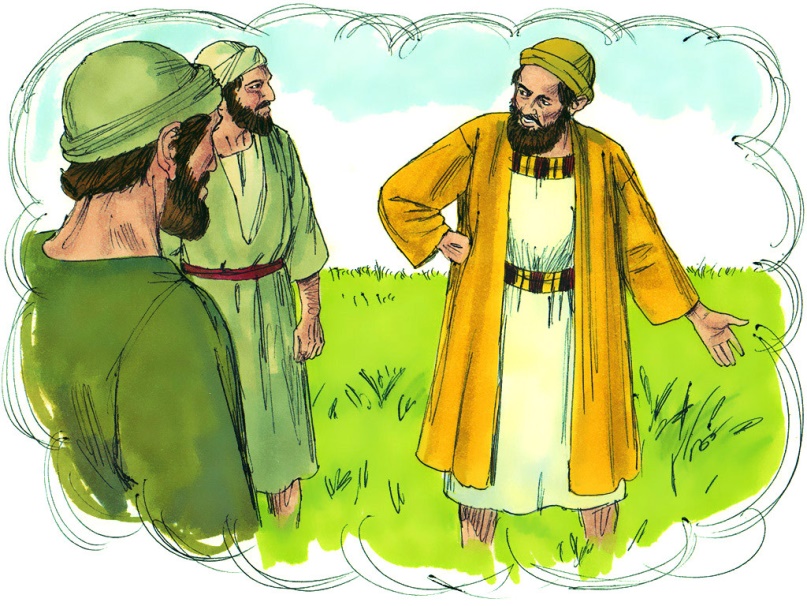
Jesus continued teaching on the mountainside, turning from prayer to the subject of anxiety and trust. He told His hearers not to worry about their lives — what they would eat or drink — nor about their bodies, what they would wear, for life is more than food, and the body more than clothing. He pointed them to the birds of the air, which neither sow nor reap nor gather into barns, and yet are fed by their heavenly Father; were they not of far greater worth than the birds? He pointed them, too, to the lilies of the field, which neither toil nor spin, and yet are arrayed more splendidly than Solomon in all his glory. If God so clothes the grass of the field, here today and gone tomorrow, Jesus asked, would He not much more clothe those who trust Him?
Such worry, He said, accomplishes nothing — no one, by worrying, can add so much as a single hour to his life. It is the Gentiles, who do not know God, who run anxiously after such things, asking, “What shall we eat?” or “What shall we drink?” or “What shall we wear?” But our heavenly Father already knows that we need all these things. Jesus therefore urged His hearers to seek first the Kingdom of God and His righteousness, and all these things would be added to them besides. Nor should anyone worry about tomorrow, for tomorrow would bring worries enough of its own; each day has trouble sufficient for itself.
Jesus Empowers His Disciples
“And he called unto him the twelve, and began to send them forth by two and two; and gave them power over unclean spirits; and commanded them that they should take nothing for their journey, save a staff only; no scrip, no bread, no money in their purse: but be shod with sandals; and not put on two coats. And he said unto them, “In what place soever ye enter into an house, there abide till ye depart from that place. And whosoever shall not receive you, nor hear you, when ye depart thence, shake off the dust under your feet for a testimony against them. Verily I say unto you, It shall be more tolerable for Sodom and Gomorrha in the day of judgment, than for that city.”” And they went out, and preached that men should repent.” — Mark 6:7–12 (KJV)
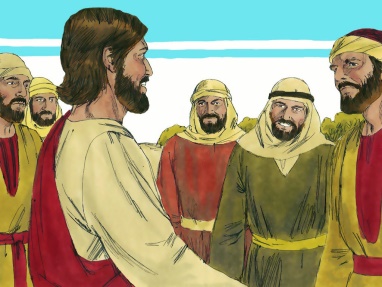
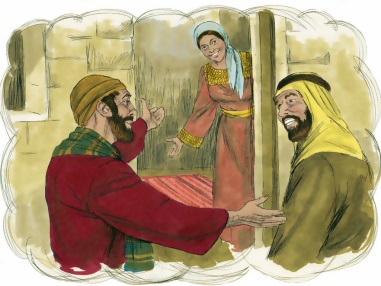
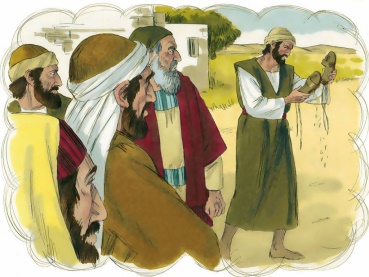
Jesus then called His twelve disciples, gave them power over unclean spirits to cast them out and to heal every kind of sickness, and sent them out in pairs to different places. This was, perhaps, their practical training. He instructed them to take no money or valuables, but to travel light, with only what they had on them, and to find a worthy person in each place they visited, and stay in that person’s house.
The Beheading of John the Baptist by Herod
“But when Herod’s birthday was kept, the daughter of Herodias danced before them, and pleased Herod. Whereupon he promised with an oath to give her whatsoever she would ask. And she, being before instructed of her mother, said, “Give me here John Baptist’s head in a charger.” And the king was sorry: nevertheless for the oath’s sake, and them which sat with him at meat, he commanded it to be given her. And he sent, and beheaded John in the prison. And his head was brought in a charger, and given to the damsel: and she brought it to her mother. And his disciples came, and took up the body, and buried it, and went and told Jesus. When Jesus heard of it, he departed thence by ship into a desert place apart: and when the people had heard thereof, they followed him on foot out of the cities.” — Matthew 14:6–13 (KJV)

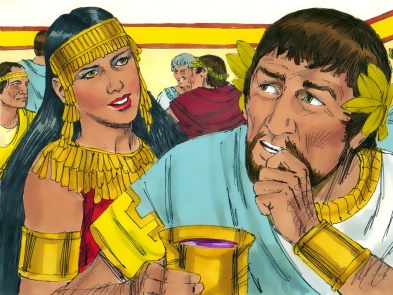
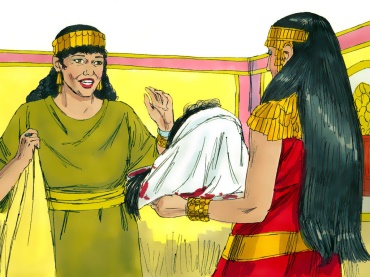
John the Baptist had lived an austere life in the desert before he began preaching in the region of the Jordan, calling people to repent and be baptised in readiness for the coming Messiah. His plain speaking eventually cost him his freedom, and then his life. He had openly condemned Herod Antipas, the ruler of Galilee, for unlawfully marrying Herodias, his brother Philip’s wife, and for this Herod had John arrested and imprisoned. Herod hesitated to go further, holding John in a kind of fearful respect as a holy man. But at a birthday feast, Herod’s stepdaughter danced before him and so pleased him that he promised, rashly, to give her anything she asked. Prompted by her mother, who had never forgiven John for condemning her marriage, the girl asked for John’s head on a platter. Herod, though reluctant, felt bound by his oath before his guests, and gave the order. John the Baptist was beheaded in prison.
Peter’s Little Faith
“And straightway Jesus constrained his disciples to get into a ship, and to go before him unto the other side, while he sent the multitudes away. And when he had sent the multitudes away, he went up into a mountain apart to pray: and when the evening was come, he was there alone. But the ship was now in the midst of the sea, tossed with waves: for the wind was contrary. And in the fourth watch of the night Jesus went unto them, walking on the sea. And when the disciples saw him walking on the sea, they were troubled, saying, “It is a spirit”; and they cried out for fear. But straightway Jesus spake unto them, saying, “Be of good cheer; it is I; be not afraid.” And Peter answered him and said, “Lord, if it be thou, bid me come unto thee on the water.” And he said, “Come.” And when Peter was come down out of the ship, he walked on the water, to go to Jesus. But when he saw the wind boisterous, he was afraid; and beginning to sink, he cried, saying, “Lord, save me.” And immediately Jesus stretched forth his hand, and caught him, and said unto him, “O thou of little faith, wherefore didst thou doubt?” And when they were come into the ship, the wind ceased. Then they that were in the ship came and worshipped him, saying, “Of a truth thou art the Son of God.”” — Matthew 14:22–33 (KJV)
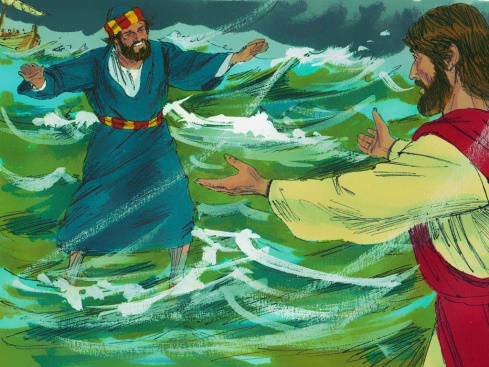
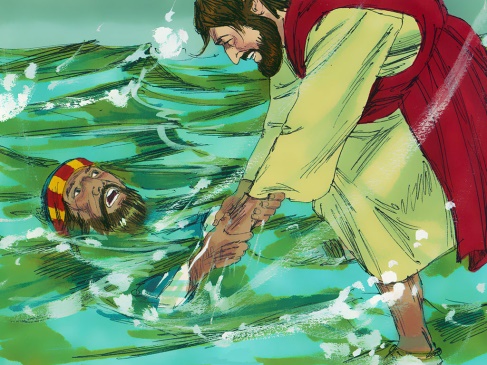
Jesus told His disciples to cross to the other side of the lake by boat, while He went up into the hills to pray alone. At night, with the boat far out on the water, the weather turned rough, and the disciples feared for their lives. Then they saw Jesus walking towards them on the water. At first, they were terrified, thinking Him a ghost, but when He called out to them, Peter, ever impulsive, asked to walk out to Him on the water. He took a few steps, but then grew frightened and began to sink. Jesus took him by the hand and brought him safely into the boat, gently rebuking him for his lack of trust.
Jesus: “I Am the Bread of Life”
“They said therefore unto him, “What sign shewest thou then, that we may see, and believe thee? what dost thou work? Our fathers did eat manna in the desert; as it is written, He gave them bread from heaven to eat.” Then Jesus said unto them, “Verily, verily, I say unto you, Moses gave you not that bread from heaven; but my Father giveth you the true bread from heaven. For the bread of God is he which cometh down from heaven, and giveth life unto the world.” Then said they unto him, “Lord, evermore give us this bread.” And Jesus said unto them, “I am the bread of life: he that cometh to me shall never hunger; and he that believeth on me shall never thirst. But I said unto you, That ye also have seen me, and believe not.”” — John 6:30–36 (KJV)

Jesus was in Capernaum, and, as usual, a large crowd had gathered to hear Him. He began to teach them not to labour for food that perishes, but for the spiritual food He alone could give. They demanded a miracle or a sign, so that they might believe He had come from God, reminding Him how Moses had given their ancestors manna in the desert. Jesus told them that it was not Moses, but God, who had provided that food. He then told them that He Himself was the true bread of life, which would bring everlasting life to all who received it — in short, that they should believe He is the Son of God, and seek Him, and put their faith in Him.
The Woman Caught in Adultery
“Jesus went unto the mount of Olives. And early in the morning he came again into the temple, and all the people came unto him; and he sat down, and taught them. And the scribes and Pharisees brought unto him a woman taken in adultery; and when they had set her in the midst, they say unto him, “Master, this woman was taken in adultery, in the very act. Now Moses in the law commanded us, that such should be stoned: but what sayest thou?” This they said, tempting him, that they might have to accuse him. But Jesus stooped down, and with his finger wrote on the ground, as though he heard them not. So when they continued asking him, he lifted up himself, and said unto them, “He that is without sin among you, let him first cast a stone at her.” And again he stooped down, and wrote on the ground. And they which heard it, being convicted by their own conscience, went out one by one, beginning at the eldest, even unto the last: and Jesus was left alone, and the woman standing in the midst. When Jesus had lifted up himself, and saw none but the woman, he said unto her, “Woman, where are those thine accusers? hath no man condemned thee?” She said, “No man, Lord.” And Jesus said unto her, “Neither do I condemn thee: go, and sin no more.”” — John 8:1–11 (KJV)
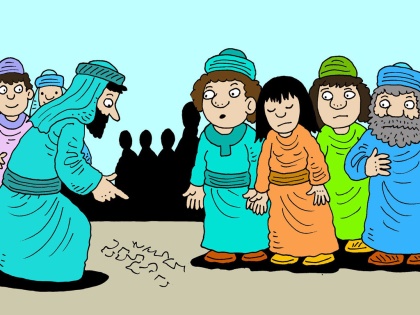
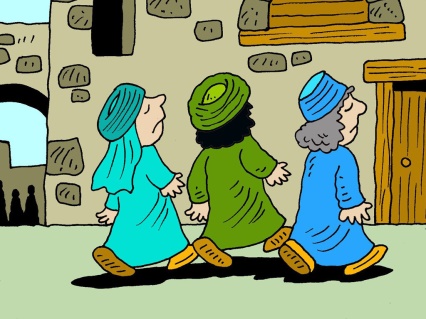
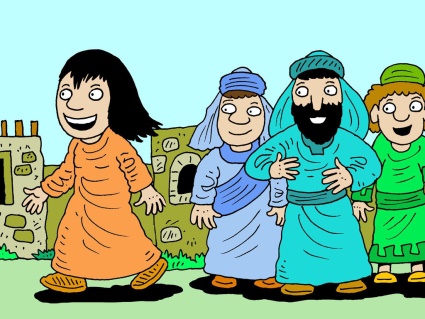
Jesus went to the Mount of Olives, and in the morning returned to the Temple, where a large crowd had gathered. The scribes and the Pharisees brought before Him a woman caught in adultery, setting a trap for Him: if He showed her compassion and let her go, they could accuse Him of setting aside the law of Moses, which prescribed death by stoning for such a sin. Jesus told them that whoever among them was without sin should be the first to cast a stone. None present was without sin, and they left, one by one, from the oldest to the youngest. Jesus forgave the woman and let her go, telling her to sin no more.
Jesus the Good Shepherd
“Verily, verily, I say unto you, He that entereth not by the door into the sheepfold, but climbeth up some other way, the same is a thief and a robber. But he that entereth in by the door is the shepherd of the sheep. To him the porter openeth; and the sheep hear his voice: and he calleth his own sheep by name, and leadeth them out. And when he putteth forth his own sheep, he goeth before them, and the sheep follow him: for they know his voice. And a stranger will they not follow, but will flee from him: for they know not the voice of strangers.” This parable spake Jesus unto them: but they understood not what things they were which he spake unto them. Then said Jesus unto them again, “Verily, verily, I say unto you, I am the door of the sheep. All that ever came before me are thieves and robbers: but the sheep did not hear them. I am the door: by me if any man enter in, he shall be saved, and shall go in and out, and find pasture. The thief cometh not, but for to steal, and to kill, and to destroy: I am come that they might have life, and that they might have it more abundantly. I am the good shepherd: the good shepherd giveth his life for the sheep.”” — John 10:1–11 (KJV)
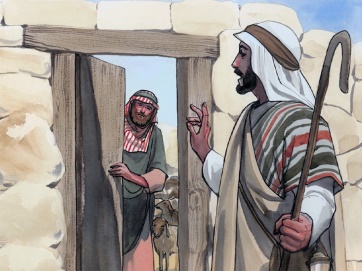
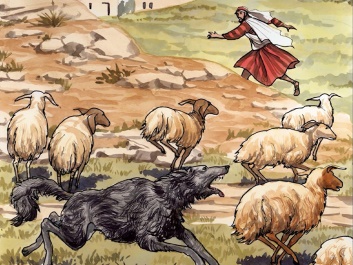
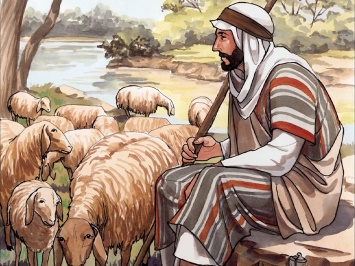
Jesus taught another profound truth, using the imagery of sheep and their shepherd. A good shepherd enters by the front gate, and his sheep readily recognise him, while a thief climbs in some other way; the sheep will follow only the shepherd they know. Jesus explained that He is this Good Shepherd, and that all who wish to enter the Kingdom of God should follow Him and be saved. As the Good Shepherd, He knows His sheep, is mindful of all their needs, and protects them from every danger.
It Is Not What Goes into the Mouth That Defiles a Person
“Then came to Jesus scribes and Pharisees, which were of Jerusalem, saying, “Why do thy disciples transgress the tradition of the elders? for they wash not their hands when they eat bread.” But he answered and said unto them, “Why do ye also transgress the commandment of God by your tradition? For God commanded, saying, ‘Honour thy father and mother’: and, ‘He that curseth father or mother, let him die the death.’ But ye say, ‘Whosoever shall say to his father or his mother, It is a gift, by whatsoever thou mightest be profited by me; and honour not his father or his mother, he shall be free.’ Thus have ye made the commandment of God of none effect by your tradition. Ye hypocrites, well did Esaias prophesy of you, saying, ‘This people draweth nigh unto me with their mouth, and honoureth me with their lips; but their heart is far from me. But in vain they do worship me, teaching for doctrines the commandments of men.’”” And he called the multitude, and said unto them, “Hear, and understand: not that which goeth into the mouth defileth a man; but that which cometh out of the mouth, this defileth a man.”” — Matthew 15:1–11 (KJV)
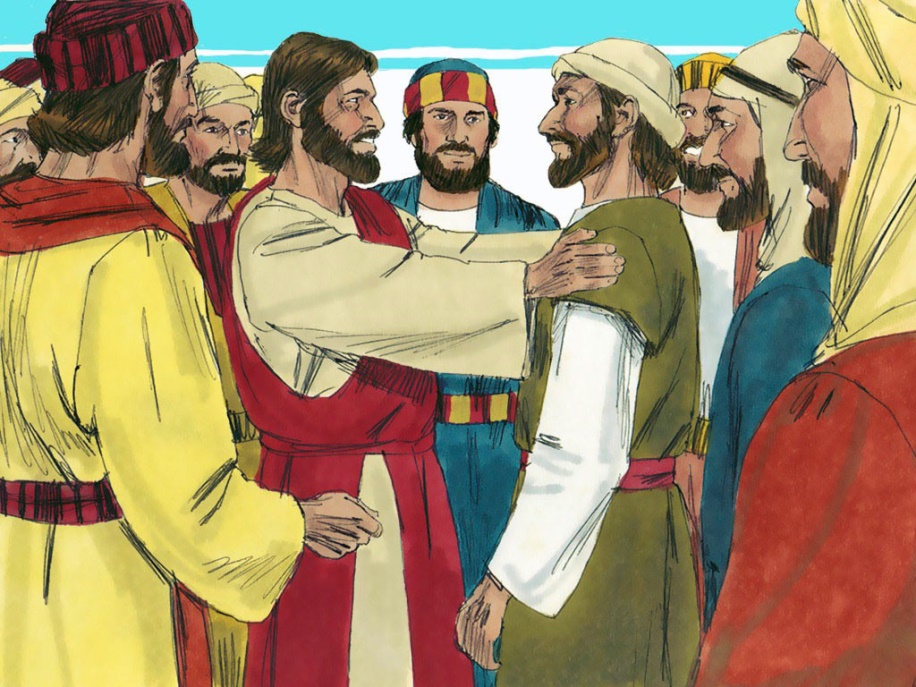
Jewish tradition insisted on the strict observance of ritual cleansing. Many things were considered untouchable, believed to make a person unclean; people were expected to wash their feet thoroughly on entering a house, and to wash their hands before eating, and many foods were classed as unclean. When the scribes and Pharisees who had come from Jerusalem challenged Jesus over His disciples eating without first washing their hands, He turned their own question back on them, and exposed a still greater failure hidden within their tradition. By a practice they called “Corban,” a person could declare money that should have supported his ageing parents to be a gift set apart for God instead, and by that declaration excuse himself from the duty to care for them — so nullifying the commandment to honour father and mother for the sake of a man-made rule. Jesus told them plainly that they had set aside God’s own commandment to keep their tradition, and quoted the prophet Isaiah against them: “This people draweth nigh unto me with their mouth, and honoureth me with their lips; but their heart is far from me.” He then turned to teach the crowd more widely: none of the ritual washing they were so exacting about makes a person unclean. What makes a person unclean is what comes out of them — what they say. Anything spoken in insult, or that belittles, wounds, or offends the hearer, is what defiles a person.
Jesus Refuses to Give a Sign
“Then certain of the scribes and of the Pharisees answered, saying, “Master, we would see a sign from thee.” But he answered and said unto them, “An evil and adulterous generation seeketh after a sign; and there shall no sign be given to it, but the sign of the prophet Jonas: for as Jonas was three days and three nights in the whale’s belly; so shall the Son of man be three days and three nights in the heart of the earth. The men of Nineveh shall rise in judgment with this generation, and shall condemn it: because they repented at the preaching of Jonas; and, behold, a greater than Jonas is here.”” — Matthew 12:38–41 (KJV)


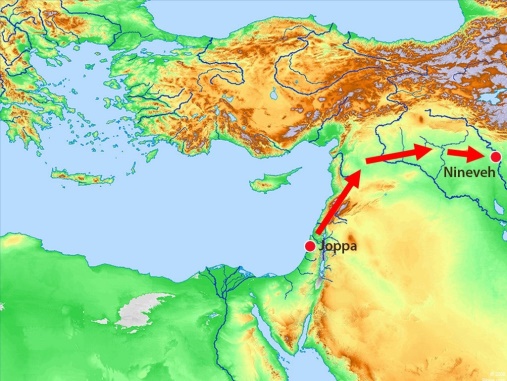
The Pharisees and the scribes once again demanded a sign from heaven, so that they might believe Jesus was truly the Son of God. Jesus refused, but gave them one hint, referring them to the prophet Jonah of the Old Testament, who was swallowed by a great fish — often called a whale — and remained in its belly for three days. Jesus was speaking of His own coming death, burial, and resurrection on the third day.
The Transfiguration of Jesus
“And after six days Jesus taketh Peter, James, and John his brother, and bringeth them up into an high mountain apart, and was transfigured before them: and his face did shine as the sun, and his raiment was white as the light. And, behold, there appeared unto them Moses and Elias talking with him. Then answered Peter, and said unto Jesus, “Lord, it is good for us to be here: if thou wilt, let us make here three tabernacles; one for thee, and one for Moses, and one for Elias.” While he yet spake, behold, a bright cloud overshadowed them: and behold a voice out of the cloud, which said, “This is my beloved Son, in whom I am well pleased; hear ye him.” And when the disciples heard it, they fell on their face, and were sore afraid. And Jesus came and touched them, and said, “Arise, and be not afraid.” And when they had lifted up their eyes, they saw no man, save Jesus only. And as they came down from the mountain, Jesus charged them, saying, “Tell the vision to no man, until the Son of man be risen again from the dead.”” — Matthew 17:1–9 (KJV)
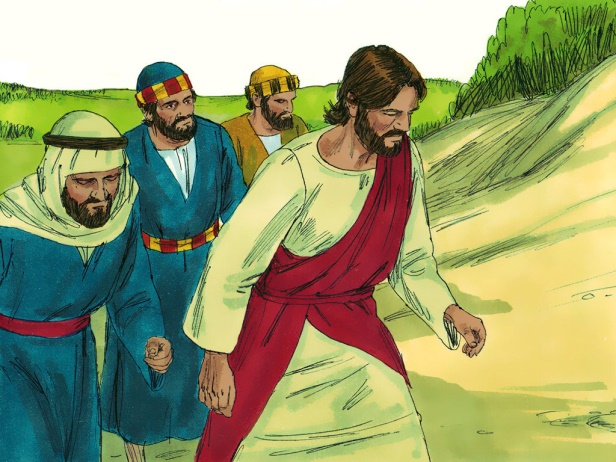
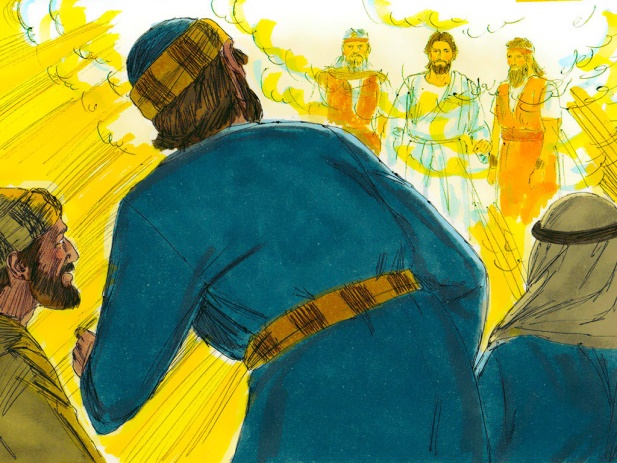
By this time, Jesus had begun to speak plainly with His disciples, revealing to them who He was — God the Son, the Son of God — and telling them how He would suffer many things at the hands of the Jews in Jerusalem, and that after His crucifixion He would rise again in glory on the third day. Jesus never made an open display of His divinity, but revealed it, on this occasion, to a chosen few. He took Peter, John, and James up a high mountain (tradition holds it was Mount Tabor, though the Gospels themselves are silent on this). While they were at the top, the transfiguration of Jesus took place, and the three saw Moses and the prophet Elijah speaking with Him. Jesus, in His divine glory, shone forth beyond description. They were awestruck at this magnificent sight, which lasted only a few moments.
Jesus: Be like Little Children
“At the same time came the disciples unto Jesus, saying, “Who is the greatest in the kingdom of heaven?” And Jesus called a little child unto him, and set him in the midst of them, and said, “Verily I say unto you, Except ye be converted, and become as little children, ye shall not enter into the kingdom of heaven. Whosoever therefore shall humble himself as this little child, the same is greatest in the kingdom of heaven. And whoso shall receive one such little child in my name receiveth me. But whoso shall offend one of these little ones which believe in me, it were better for him that a millstone were hanged about his neck, and that he were drowned in the depth of the sea. Woe unto the world because of offences! for it must needs be that offences come; but woe to that man by whom the offence cometh!”” — Matthew 18:1–7 (KJV)
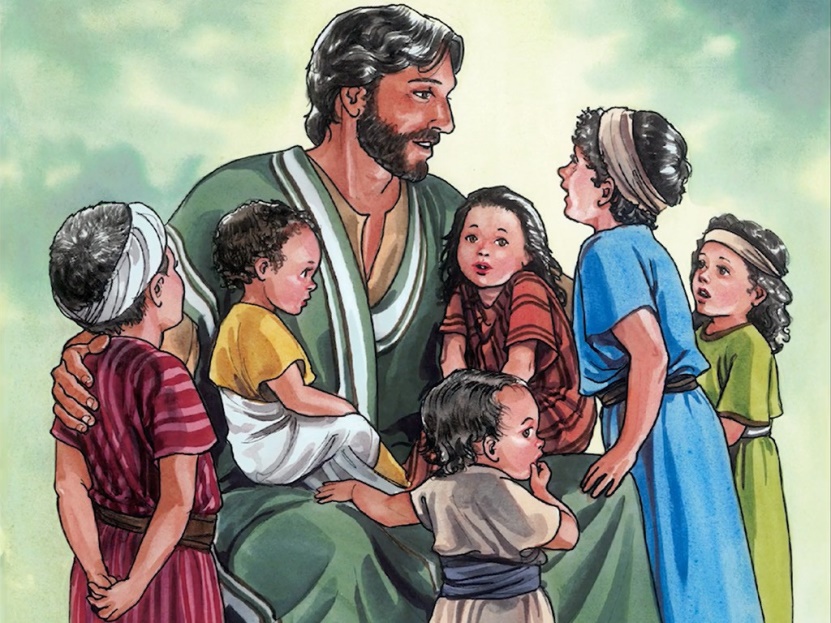
The disciples of Jesus, being ordinary human beings, began to argue among themselves as to who among them would be the greatest in the Kingdom of God, perhaps imagining that such a kingdom would be like the earthly kingdoms they knew. Perceiving their thoughts, Jesus took a small child and set him on His lap, and told His disciples that unless a person humbles himself and becomes as trusting and unassuming as a small child, he cannot be part of the Kingdom of God. His emphasis was on people turning from all their sinful ways, and becoming acceptable to God.
Jesus: Do Not Worry about the Future
“Therefore I say unto you, Take no thought for your life, what ye shall eat, or what ye shall drink; nor yet for your body, what ye shall put on. Is not the life more than meat, and the body than raiment? Behold the fowls of the air: for they sow not, neither do they reap, nor gather into barns; yet your heavenly Father feedeth them. Are ye not much better than they? Which of you by taking thought can add one cubit unto his stature? And why take ye thought for raiment? Consider the lilies of the field, how they grow; they toil not, neither do they spin: and yet I say unto you, That even Solomon in all his glory was not arrayed like one of these. Wherefore, if God so clothe the grass of the field, which to day is, and to morrow is cast into the oven, shall he not much more clothe you, O ye of little faith? Therefore take no thought, saying, ‘What shall we eat?’ or, ‘What shall we drink?’ or, ‘Wherewithal shall we be clothed?’ (For after all these things do the Gentiles seek:) for your heavenly Father knoweth that ye have need of all these things. But seek ye first the kingdom of God, and his righteousness; and all these things shall be added unto you. Take therefore no thought for the morrow: for the morrow shall take thought for the things of itself. Sufficient unto the day is the evil thereof.” — Matthew 6:25–34 (KJV)


Jesus told another parable, to teach how futile it is to accumulate wealth in this world, and advised all to guard against covetousness. He also assured His hearers that they need not worry about their needs in this life. “Is not the life more than meat,” He said, “and the body than raiment?” God would provide all that was needed; instead, one should focus on God, and work for Him. The story He told was of a rich farmer who had a plentiful harvest, and built additional barns to store his produce, deciding to take life easy from then on and enjoy himself. But that very night, he died, and all his plans and efforts came to nothing.
Jesus on Cleansing the Inner Self
“When the unclean spirit is gone out of a man, he walketh through dry places, seeking rest, and findeth none. Then he saith, “I will return into my house from whence I came out”; and when he is come, he findeth it empty, swept, and garnished. Then goeth he, and taketh with himself seven other spirits more wicked than himself, and they enter in and dwell there: and the last state of that man is worse than the first. Even so shall it be also unto this wicked generation.” — Matthew 12:43–45 (KJV)
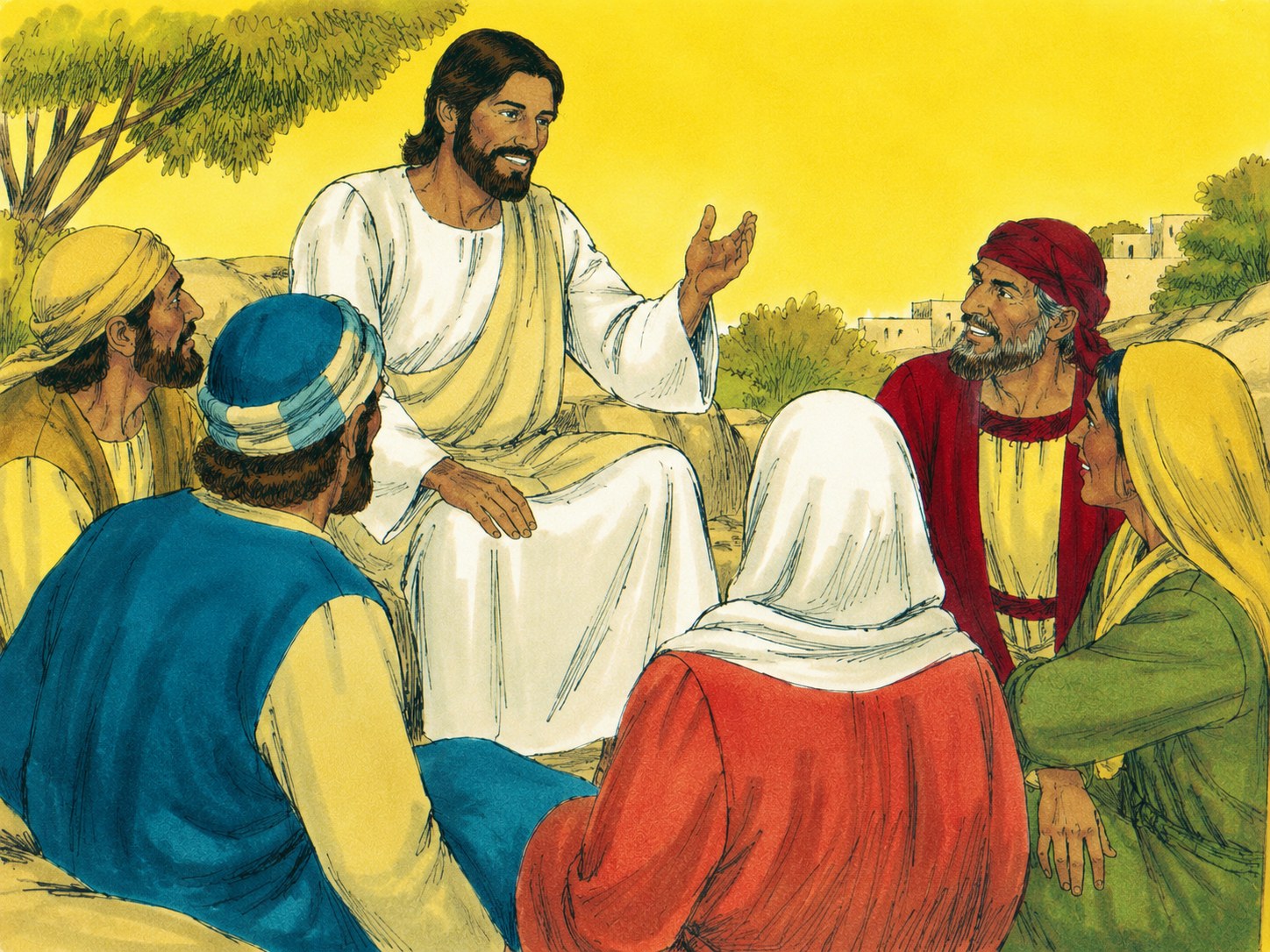
Jesus taught the need to be clean and good within. A person who is not pure in heart and mind cannot speak or do good. He stressed the need to be filled with the Spirit of God once a person has purged all evil from within, and gave the example of an evil spirit cast out of a person: it will return with even greater force if it finds that person’s heart empty, and wanting in godly thoughts and deeds.
The Pharisee and the Tax Collector — on Righteousness
“And he spake this parable unto certain which trusted in themselves that they were righteous, and despised others: “Two men went up into the temple to pray; the one a Pharisee, and the other a publican. The Pharisee stood and prayed thus with himself, ‘God, I thank thee, that I am not as other men are, extortioners, unjust, adulterers, or even as this publican. I fast twice in the week, I give tithes of all that I possess.’ And the publican, standing afar off, would not lift up so much as his eyes unto heaven, but smote upon his breast, saying, ‘God be merciful to me a sinner.’ I tell you, this man went down to his house justified rather than the other: for every one that exalteth himself shall be abased; and he that humbleth himself shall be exalted.”” — Luke 18:9–14 (KJV)
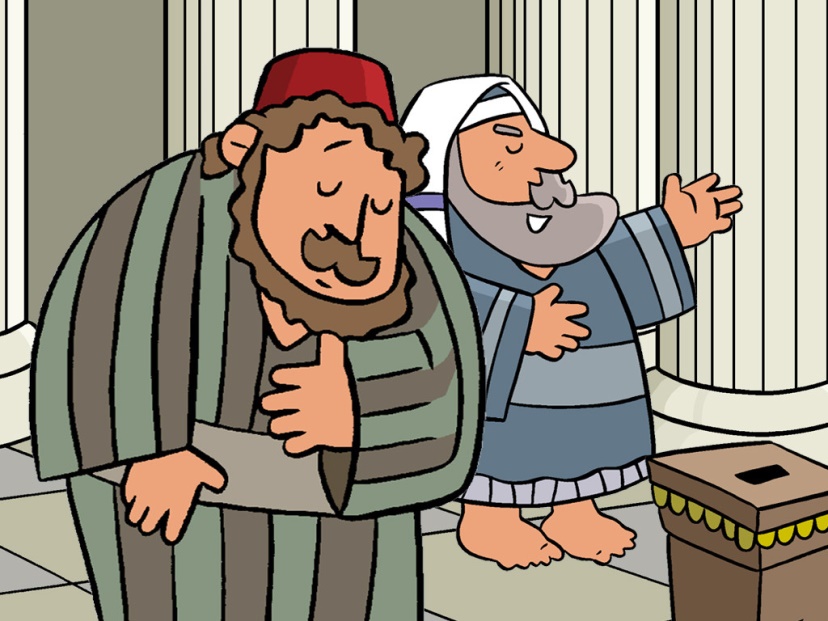
Jesus condemned self-righteousness, using an illustration to make His point. A self-righteous Pharisee and a sinful tax collector both went up to the Temple to pray. The Pharisee stood apart from others and prayed, looking up, but his prayer was entirely about himself; God had no place in his thoughts. The tax collector, by contrast, fell on his knees, not even daring to look up, confessing his sins and seeking God’s mercy and forgiveness. While the Pharisee gained nothing from his visit to the Temple, the tax collector went home justified before God.
Jesus and the Rich Young Man
“And, behold, one came and said unto him, “Good Master, what good thing shall I do, that I may have eternal life?” And he said unto him, “Why callest thou me good? there is none good but one, that is, God: but if thou wilt enter into life, keep the commandments.” He saith unto him, “Which?” Jesus said, “Thou shalt do no murder, Thou shalt not commit adultery, Thou shalt not steal, Thou shalt not bear false witness, Honour thy father and thy mother: and, Thou shalt love thy neighbour as thyself.” The young man saith unto him, “All these things have I kept from my youth up: what lack I yet?” Jesus said unto him, “If thou wilt be perfect, go and sell that thou hast, and give to the poor, and thou shalt have treasure in heaven: and come and follow me.” But when the young man heard that saying, he went away sorrowful: for he had great possessions. Then said Jesus unto his disciples, “Verily I say unto you, That a rich man shall hardly enter into the kingdom of heaven. And again I say unto you, It is easier for a camel to go through the eye of a needle, than for a rich man to enter into the kingdom of God.”” — Matthew 19:16–24 (KJV)

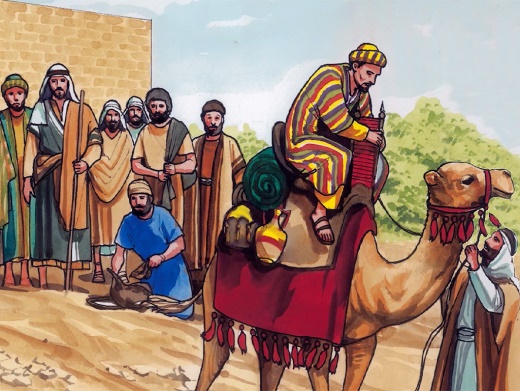
There is a cost to following Jesus. Jesus never said that the way to the Kingdom of God is easy; on the contrary, He said it is narrow and difficult. As an illustration, He said it is easier for a camel to pass through the eye of a needle than for a rich man to enter the Kingdom of God. A young, wealthy man who had lived a righteous life approached Jesus, wanting to know how to attain eternal life, and explained that he had always kept the commandments faithfully. Jesus, testing him, told him to sell all he had, give it to the poor, and follow Him. The man, who had great wealth, went away sad.
Zacchaeus and Jesus
“And Jesus entered and passed through Jericho. And, behold, there was a man named Zacchaeus, which was the chief among the publicans, and he was rich. And he sought to see Jesus who he was; and could not for the press, because he was little of stature. And he ran before, and climbed up into a sycomore tree to see him: for he was to pass that way. And when Jesus came to the place, he looked up, and saw him, and said unto him, “Zacchaeus, make haste, and come down; for to day I must abide at thy house.” And he made haste, and came down, and received him joyfully. And when they saw it, they all murmured, saying, “That he was gone to be guest with a man that is a sinner.” And Zacchaeus stood, and said unto the Lord; “Behold, Lord, the half of my goods I give to the poor; and if I have taken any thing from any man by false accusation, I restore him fourfold.” And Jesus said unto him, “This day is salvation come to this house, forsomuch as he also is a son of Abraham. For the Son of man is come to seek and to save that which was lost.”” — Luke 19:1–10 (KJV)
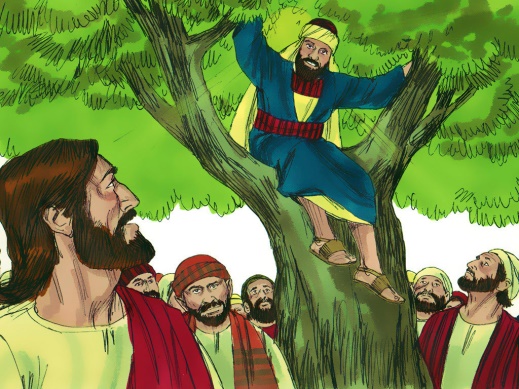
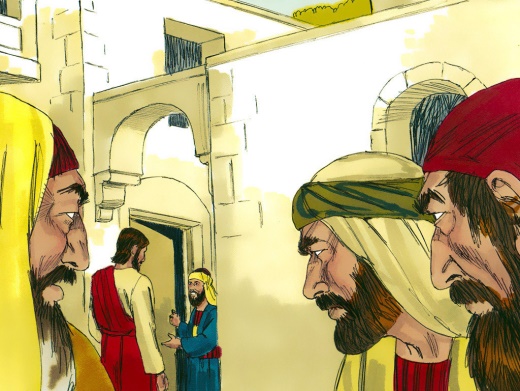
Jesus travelled to Jericho, and was passing through a large crowd gathered to see Him. Among them was a rich tax collector named Zacchaeus who, being short in stature, could not see over the crowd, and so climbed a sycamore tree to get a good view of Jesus. As Jesus passed beneath the tree, He looked up, called Zacchaeus down, and told him He would stay at his house that day. The onlookers, who considered Zacchaeus a sinner, were critical of Jesus for staying in his house. Little did they understand that, in that very moment, Zacchaeus was saved, and this short-statured man stood tall in the sight of God.