The Parable of the Persistent Widow
“And he spake a parable unto them to this end, that men ought always to pray, and not to faint; saying, “There was in a city a judge, which feared not God, neither regarded man: and there was a widow in that city; and she came unto him, saying, ‘Avenge me of mine adversary.’ And he would not for a while: but afterward he said within himself, ‘Though I fear not God, nor regard man; yet because this widow troubleth me, I will avenge her, lest by her continual coming she weary me.’” And the Lord said, “Hear what the unjust judge saith. And shall not God avenge his own elect, which cry day and night unto him, though he bear long with them?”” — Luke 18:1–7 (KJV)
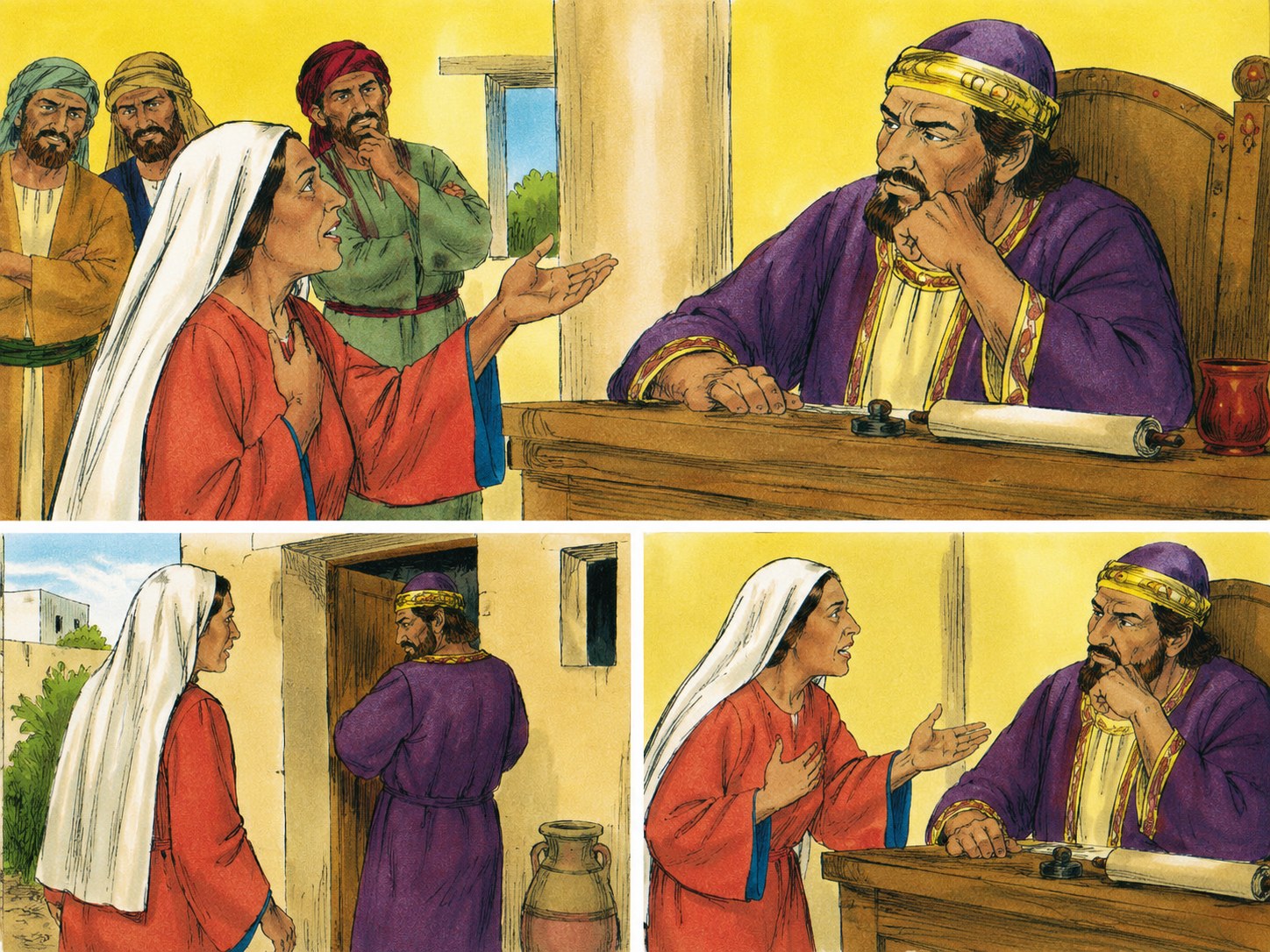
Jesus told this parable to teach His disciples that they ought always to pray, and never lose heart. In a certain city there was a judge who neither feared God nor cared what anyone thought of him. In that same city was a widow who kept coming to him, pleading, “Avenge me of mine adversary.” For a long time the judge refused, but at last he said to himself that though he cared nothing for God or man, he would grant the widow justice, if only to stop her from wearing him out with her persistent coming. Jesus asked His hearers to consider what even this unjust judge had said, and then to compare him with God: if an unjust judge would grant justice from mere self-interest, would not God, who is entirely good, act all the more surely to bring about justice for His own chosen people, who cry out to Him day and night? Jesus assured them that God would answer speedily. Yet He closed with a searching question of His own, looking beyond His own time to the very end of the age: when the Son of Man returns, will He find such persistent, unwavering faith on the earth?
The Parable of the Wheat and the Tares
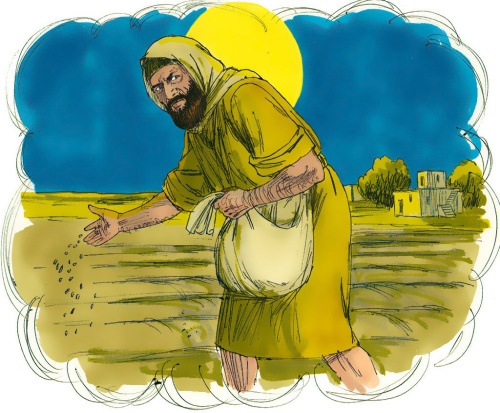
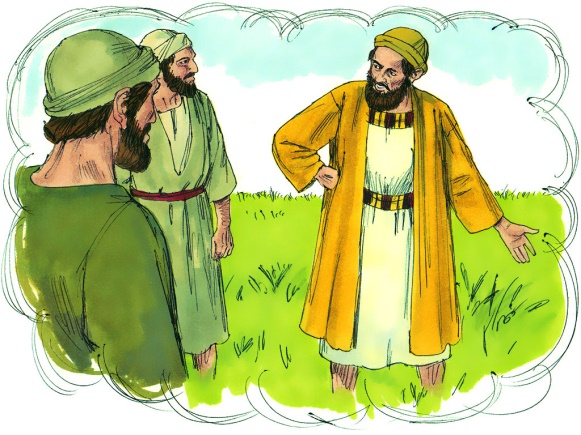
“Another parable put he forth unto them, saying, “The kingdom of heaven is likened unto a man which sowed good seed in his field: but while men slept, his enemy came and sowed tares among the wheat, and went his way. But when the blade was sprung up, and brought forth fruit, then appeared the tares also. So the servants of the householder came and said unto him, ‘Sir, didst not thou sow good seed in thy field? from whence then hath it tares?’ He said unto them, ‘An enemy hath done this.’ The servants said unto him, ‘Wilt thou then that we go and gather them up?’ But he said, ‘Nay; lest while ye gather up the tares, ye root up also the wheat with them. Let both grow together until the harvest: and in the time of harvest I will say to the reapers, Gather ye together first the tares, and bind them in bundles to burn them: but gather the wheat into my barn.’” All these things spake Jesus unto the multitude in parables; and without a parable spake he not unto them:” — Matthew 13:24–30, 34 (KJV)
Kingdom of God
Jesus often taught using parables — examples with imagery relevant to His audience — so that they could understand what He was trying to teach them. Even if they failed to grasp the inner meaning of His teaching, they would remember a good story and spread it by word of mouth. He spoke of a farmer who sowed good seed in his field. At night, his enemies came and sowed darnel, a weed resembling wheat, among it. When the plants grew, the good wheat and the darnel grew up together. Jesus taught that trying to pull up the darnel might uproot the good plants also, but that at harvest time the good would be separated from the bad, and the weeds burned. He explained that the Kingdom of God would be like this, and that only those found acceptable in the sight of God would enter His Kingdom.
The Parable of the Sower
“Hearken; Behold, there went out a sower to sow: and it came to pass, as he sowed, some fell by the way side, and the fowls of the air came and devoured it up. And some fell on stony ground, where it had not much earth; and immediately it sprang up, because it had no depth of earth: but when the sun was up, it was scorched; and because it had no root, it withered away. And some fell among thorns, and the thorns grew up, and choked it, and it yielded no fruit. And other fell on good ground, and did yield fruit that sprang up and increased; and brought forth, some thirty, and some sixty, and some an hundred.” And he said unto them, “He that hath ears to hear, let him hear.”” — Mark 4:3–9 (KJV)
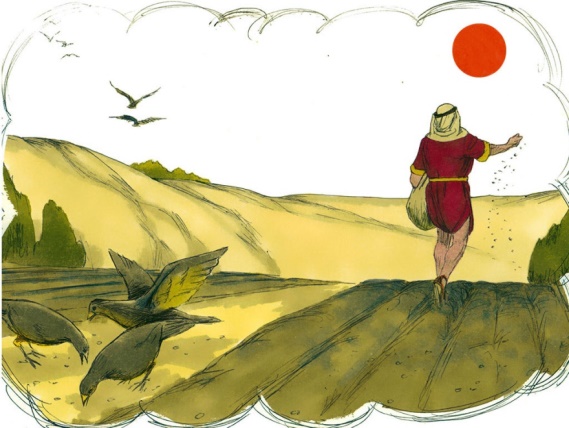


Jesus spoke another parable, known as the parable of the sower. He told of a sower scattering seed, some of which fell on the pathway, some on stony ground, some among thorny bushes, and some on good, fertile soil. The first produced no plants at all; the next two grew but could not sustain themselves or come to any use. The good soil is like a fertile heart, purged of sin and with the Word of God taken to heart. Such people would spread the good news of the Kingdom of God to others, and do deeds acceptable in the sight of Jesus Christ.
The Parable of the Lost Sheep
“Then drew near unto him all the publicans and sinners for to hear him. And the Pharisees and scribes murmured, saying, “This man receiveth sinners, and eateth with them.” And he spake this parable unto them, saying, “What man of you, having an hundred sheep, if he lose one of them, doth not leave the ninety and nine in the wilderness, and go after that which is lost, until he find it? And when he hath found it, he layeth it on his shoulders, rejoicing. And when he cometh home, he calleth together his friends and neighbours, saying unto them, ‘Rejoice with me; for I have found my sheep which was lost.’ I say unto you, that likewise joy shall be in heaven over one sinner that repenteth, more than over ninety and nine just persons, which need no repentance.”” — Luke 15:1–7 (KJV)


One of the central teachings of Jesus Christ is the need to be forgiving. He also taught that people lost to sin should be brought back to God in forgiveness and compassion, giving people repeated opportunities to repent rather than condemning them outright. Jesus used the imagery of sheep and shepherds to drive home this point. A shepherd who had a hundred sheep under his care would leave the ninety-nine and go after a single sheep that had strayed, searching until he found it, and bringing it back on his shoulders, rejoicing. He also used the parable of the lost coin to drive home the same point. Jesus had made it His purpose to seek out the lost and the backsliders, and to bring them back to Himself.
The Parable of the Prodigal Son
“And when he came to himself, he said, “How many hired servants of my father’s have bread enough and to spare, and I perish with hunger! I will arise and go to my father, and will say unto him, ‘Father, I have sinned against heaven, and before thee, and am no more worthy to be called thy son: make me as one of thy hired servants.’”” And he arose, and came to his father. But when he was yet a great way off, his father saw him, and had compassion, and ran, and fell on his neck, and kissed him. And the son said unto him, “Father, I have sinned against heaven, and in thy sight, and am no more worthy to be called thy son.” But the father said to his servants, “Bring forth the best robe, and put it on him; and put a ring on his hand, and shoes on his feet: and bring hither the fatted calf, and kill it; and let us eat, and be merry: for this my son was dead, and is alive again; he was lost, and is found.” And they began to be merry. Now his elder son was in the field: and as he came and drew nigh to the house, he heard musick and dancing. And he called one of the servants, and asked what these things meant. And he said unto him, “Thy brother is come; and thy father hath killed the fatted calf, because he hath received him safe and sound.” And he was angry, and would not go in: therefore came his father out, and intreated him. And he answering said to his father, “Lo, these many years do I serve thee, neither transgressed I at any time thy commandment: and yet thou never gavest me a kid, that I might make merry with my friends: but as soon as this thy son was come, which hath devoured thy living with harlots, thou hast killed for him the fatted calf.” And he said unto him, “Son, thou art ever with me, and all that I have is thine. It was meet that we should make merry, and be glad: for this thy brother was dead, and is alive again; and was lost, and is found.”” — Luke 15:17–32 (KJV)



The parable of the prodigal son, spoken by Jesus, remains as popular in our own time as all of His teachings and parables. The younger son of a rich man demanded his share of his father’s wealth and left home, much to his father’s dismay. He fell into bad company, squandered all his wealth, and ended up degraded to feeding a farmer’s pigs. Remorse came upon him, and he decided to return to his father, prepared even to live as a servant in his father’s house. But as he approached, his father saw him, was overjoyed, ran to greet him, and gladly took him back. The moral of the story is that however great a sinner one may be, if there is true remorse and repentance, God is always ready to forgive, and to welcome such a person back as His son or daughter.
The Parable of the Good Samaritan
“And, behold, a certain lawyer stood up, and tempted him, saying, “Master, what shall I do to inherit eternal life?” He said unto him, “What is written in the law? how readest thou?” And he answering said, “Thou shalt love the Lord thy God with all thy heart, and with all thy soul, and with all thy strength, and with all thy mind; and thy neighbour as thyself.” And he said unto him, “Thou hast answered right: this do, and thou shalt live.” But he, willing to justify himself, said unto Jesus, “And who is my neighbour?” And Jesus answering said, “A certain man went down from Jerusalem to Jericho, and fell among thieves, which stripped him of his raiment, and wounded him, and departed, leaving him half dead. And by chance there came down a certain priest that way: and when he saw him, he passed by on the other side. And likewise a Levite, when he was at the place, came and looked on him, and passed by on the other side. But a certain Samaritan, as he journeyed, came where he was: and when he saw him, he had compassion on him, and went to him, and bound up his wounds, pouring in oil and wine, and set him on his own beast, and brought him to an inn, and took care of him. And on the morrow when he departed, he took out two pence, and gave them to the host, and said unto him, ‘Take care of him; and whatsoever thou spendest more, when I come again, I will repay thee.’ Which now of these three, thinkest thou, was neighbour unto him that fell among the thieves?” And he said, “He that shewed mercy on him.” Then said Jesus unto him, “Go, and do thou likewise.”” — Luke 10:25–37 (KJV)
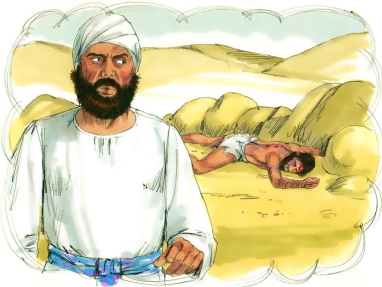
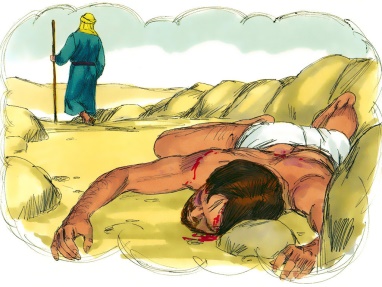
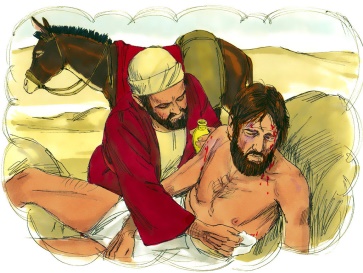
Jesus affirmed the two great commandments: to love the Lord your God with all your heart, with all your soul, with all your strength, and with all your mind, and your neighbour as yourself. Jesus then told the parable of the good Samaritan in answer to the question of who should be considered a neighbour. The lesson to be learned is that anyone in need of help is a neighbour, including one who might otherwise be considered an enemy; and conversely, that anyone who comes forward to help someone in need is himself a neighbour. In this parable are a Jew, robbed, wounded, and left for dead on the road, and a Samaritan — a traditional enemy — who went out of his way to care for him; and there were also a priest and a Levite, a temple assistant, who simply walked past after seeing the man in serious trouble.
The Parable of the Widow’s Mite
“And he said unto them in his doctrine, “Beware of the scribes, which love to go in long clothing, and love salutations in the marketplaces, and the chief seats in the synagogues, and the uppermost rooms at feasts: which devour widows’ houses, and for a pretence make long prayers: these shall receive greater damnation.” And Jesus sat over against the treasury, and beheld how the people cast money into the treasury: and many that were rich cast in much. And there came a certain poor widow, and she threw in two mites, which make a farthing. And he called unto him his disciples, and saith unto them, “Verily I say unto you, That this poor widow hath cast more in, than all they which have cast into the treasury: for all they did cast in of their abundance; but she of her want did cast in all that she had, even all her living.”” — Mark 12:38–44 (KJV)

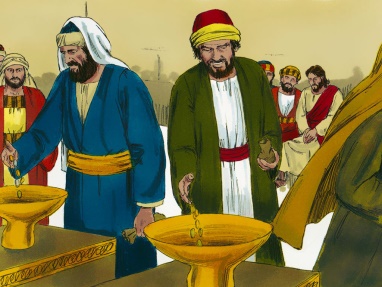
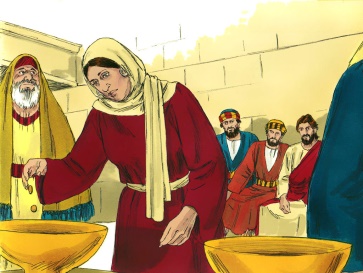
This story is often called the parable of the widow’s mite, or the widow’s offering. One day, Jesus was sitting with His disciples near the Temple treasury, watching people deposit money into the offering receptacles. The Court of the Women held thirteen such receptacles, into which people could cast their money as they walked by. Jesus watched as the rich contributed large sums of money; then a widow came along with two small coins in her hand, the smallest denomination in use. The widow put her coins into the box, and Jesus called His disciples to Him and pointed out her action. He said to them, “Verily I say unto you, that this poor widow hath cast more in, than all they which have cast into the treasury: for all they did cast in of their abundance; but she of her want did cast in all that she had, even all her living.”
The Parable of the Unjust Steward
“And he said also unto his disciples, “There was a certain rich man, which had a steward; and the same was accused unto him that he had wasted his goods. And he called him, and said unto him, ‘How is it that I hear this of thee? give an account of thy stewardship; for thou mayest be no longer steward.’ Then the steward said within himself, ‘What shall I do? for my lord taketh away from me the stewardship: I cannot dig; to beg I am ashamed. I am resolved what to do, that, when I am put out of the stewardship, they may receive me into their houses.’ So he called every one of his lord’s debtors unto him, and said unto the first, ‘How much owest thou unto my lord?’ And he said, ‘An hundred measures of oil.’ And he said unto him, ‘Take thy bill, and sit down quickly, and write fifty.’ Then said he to another, ‘And how much owest thou?’ And he said, ‘An hundred measures of wheat.’ And he said unto him, ‘Take thy bill, and write fourscore.’ And the lord commended the unjust steward, because he had done wisely: for the children of this world are in their generation wiser than the children of light. And I say unto you, Make to yourselves friends of the mammon of unrighteousness; that, when ye fail, they may receive you into everlasting habitations. He that is faithful in that which is least is faithful also in much: and he that is unjust in the least is unjust also in much.”” — Luke 16:1–10 (KJV)
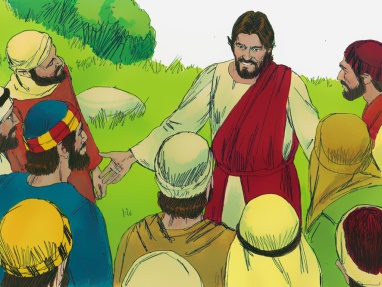

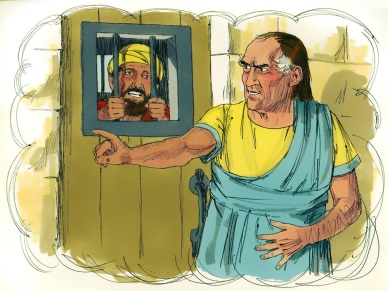
Jesus told of a rich man who summoned his steward and told him he was to be dismissed for mismanaging his master’s resources — mismanagement, rather than outright fraud, which is why the steward was given time to settle his affairs rather than being thrown out at once. Realising he would soon be without work, the steward went behind his master’s back and reduced the debts owed to his master by several of the master’s debtors, hoping thereby to secure their goodwill, and a roof over his head, once he was dismissed. When the master learned what his steward had done, he commended him, surprisingly, for his shrewdness. Every character in this parable is a flawed one — neither the steward nor the master he served is presented as admirable — and this is itself a clue to the parable’s meaning: Jesus is not holding up their conduct as an example to imitate, but using their worldly cunning to make a larger point about the wisdom His own followers ought to show in using what has been entrusted to them for eternal, rather than merely worldly, ends.
The Parable of the Tenants
“Hear another parable: There was a certain householder, which planted a vineyard, and hedged it round about, and digged a winepress in it, and built a tower, and let it out to husbandmen, and went into a far country: and when the time of the fruit drew near, he sent his servants to the husbandmen, that they might receive the fruits of it. And the husbandmen took his servants, and beat one, and killed another, and stoned another. Again, he sent other servants more than the first: and they did unto them likewise. But last of all he sent unto them his son, saying, ‘They will reverence my son.’ But when the husbandmen saw the son, they said among themselves, ‘This is the heir; come, let us kill him, and let us seize on his inheritance.’ And they caught him, and cast him out of the vineyard, and slew him. When the lord therefore of the vineyard cometh, what will he do unto those husbandmen?” They say unto him, “He will miserably destroy those wicked men, and will let out his vineyard unto other husbandmen, which shall render him the fruits in their seasons.” Jesus saith unto them, “Did ye never read in the scriptures, The stone which the builders rejected, the same is become the head of the corner: this is the Lord’s doing, and it is marvellous in our eyes? Therefore say I unto you, The kingdom of God shall be taken from you, and given to a nation bringing forth the fruits thereof.”” — Matthew 21:33–43 (KJV)
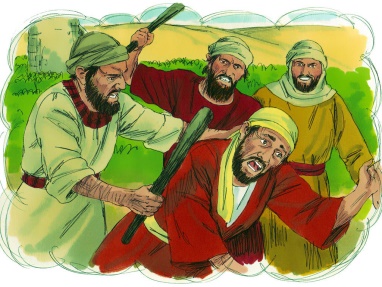
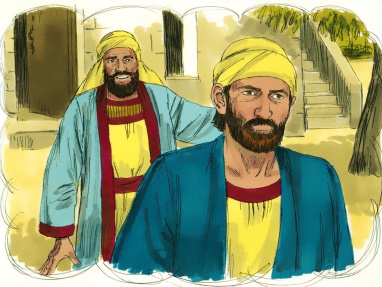
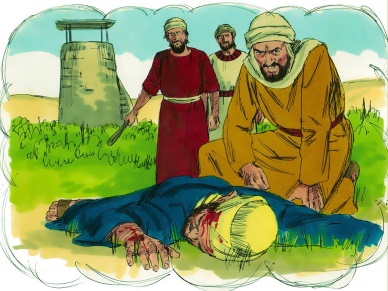
It was common in those days for a landowner to plant a vineyard, lease it to tenant farmers, and then send servants at harvest time to collect his share of the produce. In this parable, Jesus described a landowner who did exactly this, but whose servants were mistreated and even killed by the tenants when they came to collect what was owed. Finally, the landowner sent his own son, believing the tenants would respect him — but the tenants, seeing a chance to seize the vineyard for themselves, killed the son too. In this parable, the landowner represents God, the vineyard represents Israel, and the tenants represent the nation’s religious leadership: God had sent the prophets to His people, but they were mistreated and killed, and now God had sent His own Son, Jesus, hoping He would be given the respect denied to the prophets before Him. Jesus was, in effect, foretelling His own death at the hands of the religious leaders of His day. Yet His death would not be the end of the story: quoting the Scriptures, He declared that the very stone the builders rejected would become the head of the corner — that He Himself, though rejected, would become the cornerstone of God’s Kingdom.
The Parables of the Mustard Seed, the Hidden Treasure, and the Leaven
“Another parable put he forth unto them, saying, “The kingdom of heaven is like to a grain of mustard seed, which a man took, and sowed in his field: which indeed is the least of all seeds: but when it is grown, it is the greatest among herbs, and becometh a tree, so that the birds of the air come and lodge in the branches thereof.” Another parable spake he unto them: “The kingdom of heaven is like unto leaven, which a woman took, and hid in three measures of meal, till the whole was leavened.” ... “Again, the kingdom of heaven is like unto treasure hid in a field; the which when a man hath found, he hideth, and for joy thereof goeth and selleth all that he hath, and buyeth that field.” ... and said, “Verily I say unto you, Except ye be converted, and become as little children, ye shall not enter into the kingdom of heaven. Whosoever therefore shall humble himself as this little child, the same is greatest in the kingdom of heaven. And whoso shall receive one such little child in my name receiveth me,”” — Matthew 13:31–33, 44; 18:3–5 (KJV)

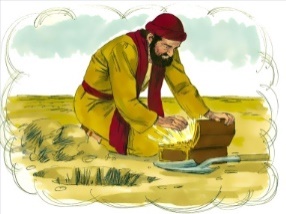
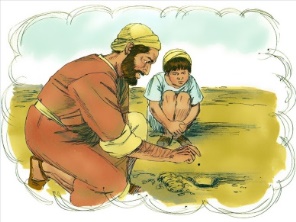

Jesus also described the Kingdom of Heaven through three short parables. He likened it to a tiny mustard seed, the smallest of seeds, which nonetheless grows into a large tree in which the birds of the air come to nest — the Kingdom does not arrive in a blaze of glory, but begins small, and grows steadily. He likened it, too, to treasure hidden in a field: a man who found it went and, for sheer joy, sold everything he had in order to buy that field — the Kingdom, once truly found, is worth surrendering everything else to possess. And He likened it also to leaven, which a woman works into a large measure of flour until the whole is leavened — the Kingdom’s growth is not only outward, spreading through the world, but also inward, quietly transforming from within.
Jesus Reads the Scriptures in the Synagogue
“And he came to Nazareth, where he had been brought up: and, as his custom was, he went into the synagogue on the sabbath day, and stood up for to read. And there was delivered unto him the book of the prophet Esaias. And when he had opened the book, he found the place where it was written, “The Spirit of the Lord is upon me, because he hath anointed me to preach the gospel to the poor; he hath sent me to heal the brokenhearted, to preach deliverance to the captives, and recovering of sight to the blind, to set at liberty them that are bruised, to preach the acceptable year of the Lord.”” And he closed the book, and he gave it again to the minister, and sat down. And the eyes of all them that were in the synagogue were fastened on him. And he began to say unto them, “This day is this scripture fulfilled in your ears.”” — Luke 4:16–21 (KJV)
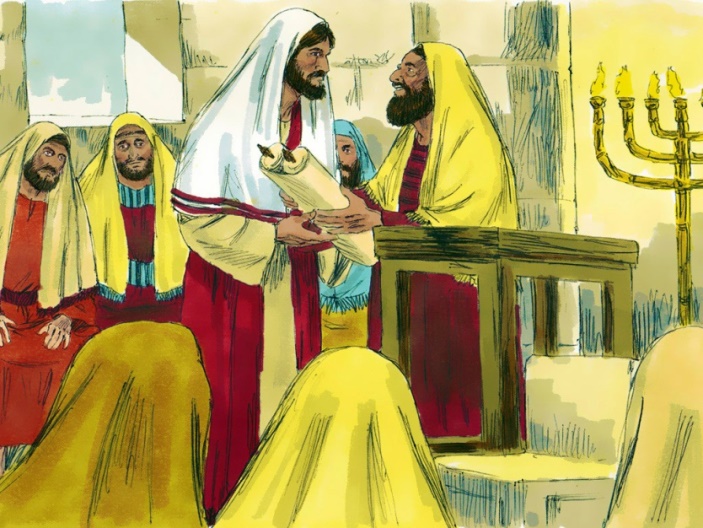
Jesus went to the synagogue, as was His custom. Though He was God incarnate, He attended worship every week. On this occasion, He read from Isaiah 61:1-2, a passage that speaks of one anointed by the Spirit of the Lord to preach good news to the poor, proclaim liberty to captives, and give sight to the blind. Isaiah’s words pictured Israel’s deliverance from exile in Babylon as a Year of Jubilee, when all debts are cancelled, all slaves freed, and all property restored to its original owners; but the actual return from exile had not brought this fulfilment. Isaiah, then, must have been referring to a future, Messianic age. Jesus boldly announced, “This day is this scripture fulfilled in your ears.” He was proclaiming Himself as the One who would bring this good news to pass.