The Plot to Kill Jesus Christ
“Then assembled together the chief priests, and the scribes, and the elders of the people, unto the palace of the high priest, who was called Caiaphas, and consulted that they might take Jesus by subtilty, and kill him.” — Matthew 26:3–4 (KJV)
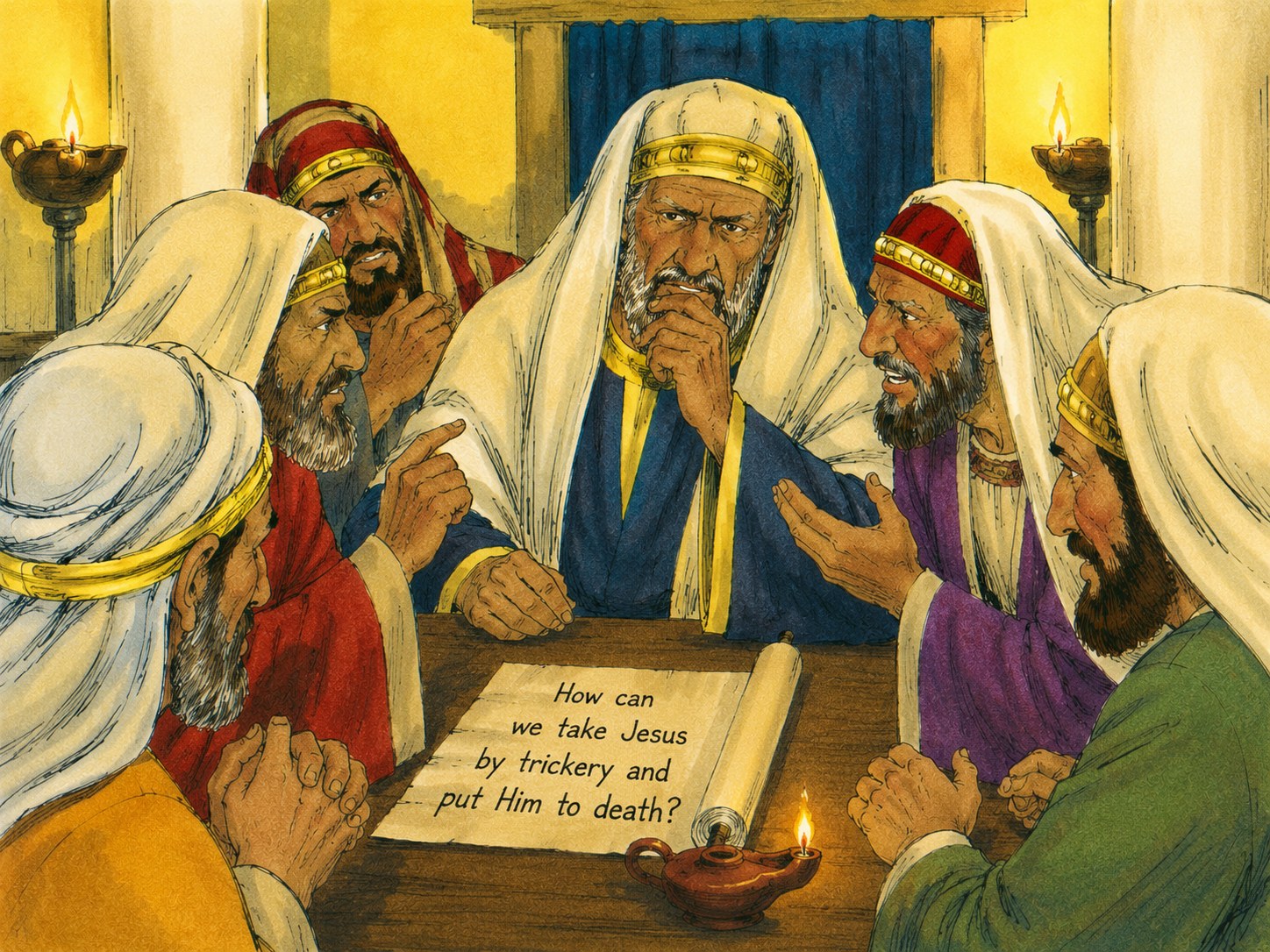
Bringing Lazarus back to life was a turning point in the ministry of Jesus Christ. His popularity had increased manifold, and people had come to accept Him as a prophet, as someone sent from above, and some even as the promised Messiah. The Jewish leadership grew progressively more troubled by all this, and convened a council to discuss the matter. From that day on, they plotted to put Jesus to death at an opportune time.
A Woman Anoints the Feet of Jesus
“Now when Jesus was in Bethany, in the house of Simon the leper, there came unto him a woman having an alabaster box of very precious ointment, and poured it on his head, as he sat at meat. But when his disciples saw it, they had indignation, saying, “To what purpose is this waste? For this ointment might have been sold for much, and given to the poor.” When Jesus understood it, he said unto them, “Why trouble ye the woman? for she hath wrought a good work upon me. For ye have the poor always with you; but me ye have not always. For in that she hath poured this ointment on my body, she did it for my burial. Verily I say unto you, Wheresoever this gospel shall be preached in the whole world, there shall also this, that this woman hath done, be told for a memorial of her.”” — Matthew 26:6–13 (KJV)
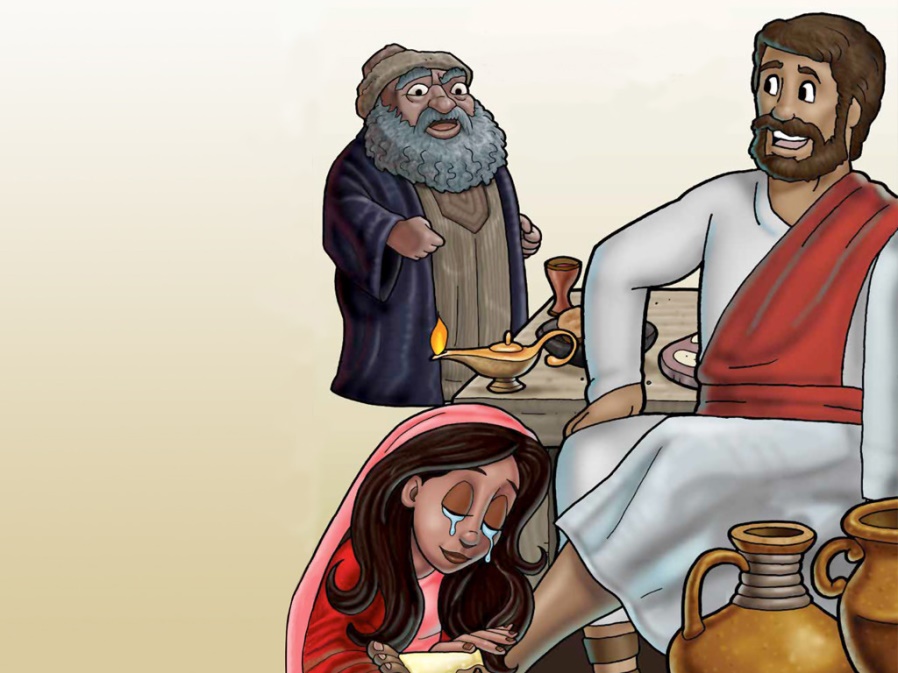
While Jesus was in Bethany, where He had earlier raised Lazarus from the dead, a supper was arranged, at which Lazarus, Mary, and Martha were also present. As they were seated at the meal, Mary broke open a flask of very expensive perfume and anointed Jesus with it, wiping His feet with her hair. Those present grumbled at what they saw, complaining of the waste, and arguing that the perfume could have been sold and the money given to the poor. Jesus told them to leave her alone: she was preparing His body, He said, for His death and burial, which was soon to come. The poor, He told them, would always be with them, but He would not.
The Triumphal Entry of Jesus into Jerusalem
“And when they came nigh to Jerusalem, unto Bethphage and Bethany, at the mount of Olives, he sendeth forth two of his disciples, and saith unto them, “Go your way into the village over against you: and as soon as ye be entered into it, ye shall find a colt tied, whereon never man sat; loose him, and bring him. And if any man say unto you, ‘Why do ye this?’ say ye that the Lord hath need of him; and straightway he will send him hither.” And they went their way, and found the colt tied by the door without in a place where two ways met; and they loose him. And certain of them that stood there said unto them, “What do ye, loosing the colt?” And they said unto them even as Jesus had commanded: and they let them go. And they brought the colt to Jesus, and cast their garments on him; and he sat upon him. And many spread their garments in the way: and others cut down branches off the trees, and strawed them in the way. And they that went before, and they that followed, cried, saying, “Hosanna; Blessed is he that cometh in the name of the Lord: Blessed be the kingdom of our father David, that cometh in the name of the Lord: Hosanna in the highest.” And Jesus entered into Jerusalem, and into the temple: and when he had looked round about upon all things, and now the eventide was come, he went out unto Bethany with the twelve.” — Mark 11:1–11 (KJV)
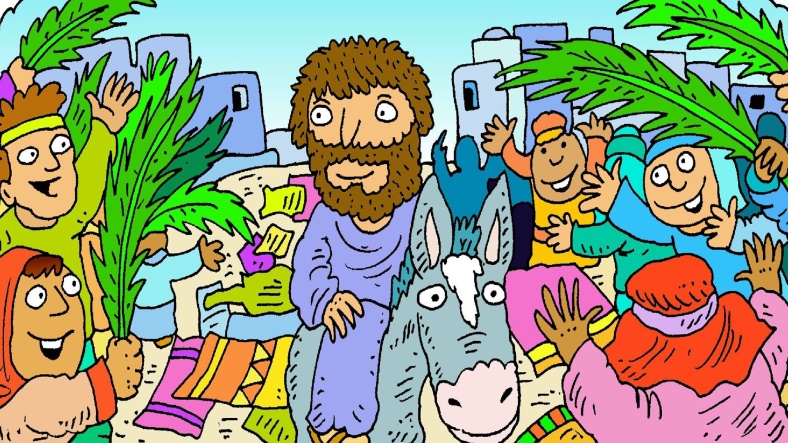
Jesus was near Bethphage and Bethany, on the mountain called Olivet, popularly known as the Mount of Olives. As He looked out over Jerusalem, at its magnificent Temple and the thousands of people camped there for the Passover celebrations, He wept. He wept for their hardened hearts; He wept because they had failed to recognise Him as their Messiah; He wept because He knew that, before long, the Temple and the city of Jerusalem would be razed to the ground by the Romans, and the Jews scattered to every part of the world; and He wept for His people throughout the world, for whom He had such passion.
The Betrayal of Jesus by Judas Iscariot
“Now the feast of unleavened bread drew nigh, which is called the Passover. And the chief priests and scribes sought how they might kill him; for they feared the people. Then entered Satan into Judas surnamed Iscariot, being of the number of the twelve. And he went his way, and communed with the chief priests and captains, how he might betray him unto them. And they were glad, and covenanted to give him money. And he promised, and sought opportunity to betray him unto them in the absence of the multitude.” — Luke 22:1–6 (KJV)
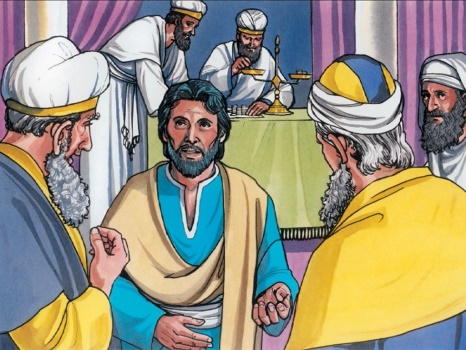
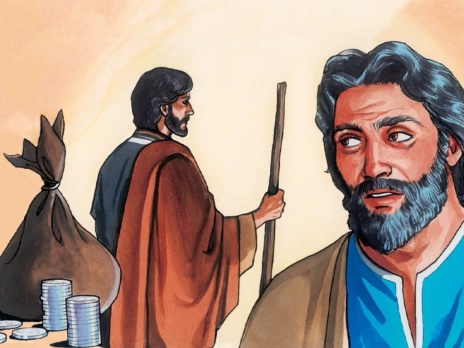
By now, the disciples of Jesus were a confused and troubled group. Judas Iscariot, one of the twelve disciples, who may have had his own hopes of power and wealth in the grossly misunderstood “Kingdom of God,” decided to betray Jesus for quick money. He went to the chief priests and other elders of the Temple, and offered to point out Jesus to them, for thirty pieces of silver.