The Living Word — The Holy Bible
“All scripture is given by inspiration of God, and is profitable for doctrine, for reproof, for correction, for instruction in righteousness: that the man of God may be perfect, thoroughly furnished unto all good works.” — 2 Timothy 3:16–17 (KJV)
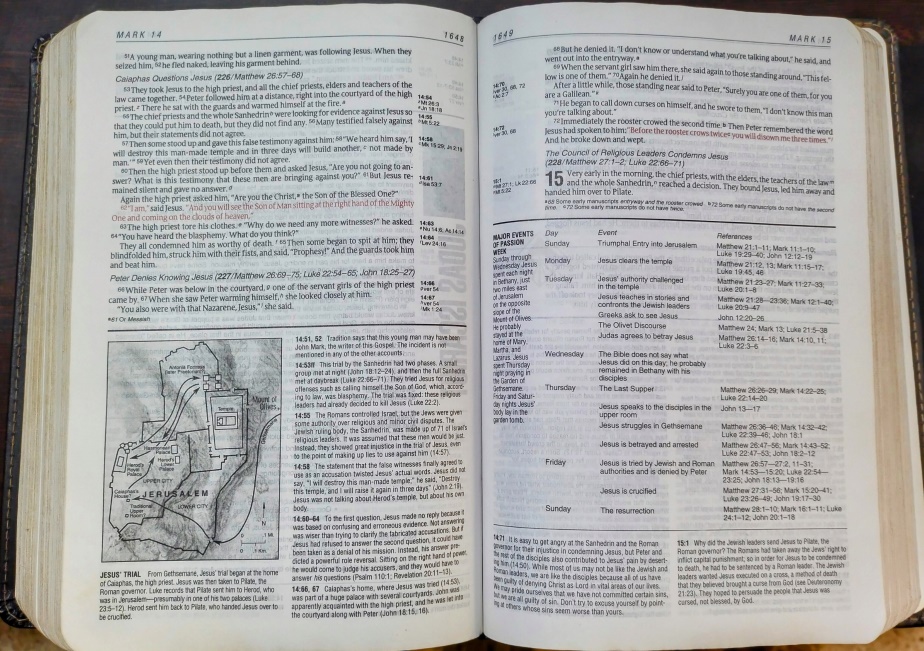
Believers of Christianity, Judaism, and Islam, taken together, account for just over half of humanity — some 28.8 per cent Christian, 25.6 per cent Muslim, and 0.2 per cent Jewish, according to the Pew Research Center’s estimate for 2020. Scriptural sources for the three religions are the Holy Bible (comprising the Old and New Testaments), the Hebrew Bible (roughly corresponding with the Old Testament), and the Quran (with references to over fifty people and events also found in the Holy Bible). The three Scriptures, therefore, stem from a single source, with differing emphases and interpretations. The four Gospel accounts and the Epistles written by the Apostles, in the New Testament, contain narratives on the life and teachings of Jesus Christ, the central figure of the Christian faith and the subject of this book.
Prologue 1: The Creation
“In the beginning God created the heaven and the earth. ... Thus the heavens and the earth were finished, and all the host of them. And on the seventh day God ended his work which he had made; and he rested on the seventh day from all his work which he had made. And God blessed the seventh day, and sanctified it: because that in it he had rested from all his work which God created and made.” — Genesis 1:1; 2:1–3 (KJV)
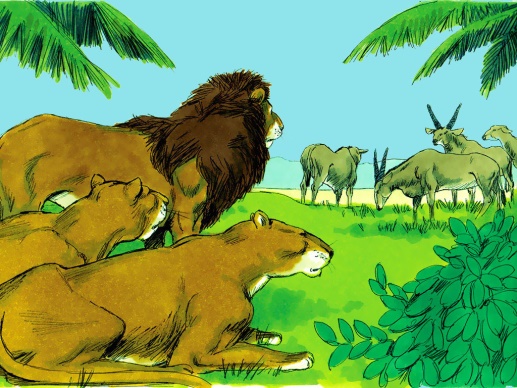
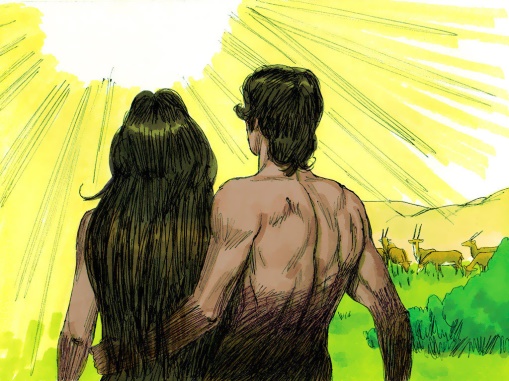
In the beginning, all was void. God created everything that was made in six days and rested on the seventh day, admiring the beauty, harmony, and precision of the creation. He created man and, out of man, the woman, and they were placed in the Garden of Eden. They were given dominion over the rest of the creation, and God walked and talked with them every day. It was Paradise on earth. However, God forbade them from eating the fruit from the tree of knowledge planted at the centre of the garden.
Prologue 2: The Fall of Man
“And the man said, The woman whom thou gavest to be with me, she gave me of the tree, and I did eat. And the Lord God said unto the woman, What is this that thou hast done? And the woman said, The serpent beguiled me, and I did eat. And the Lord God said unto the serpent, Because thou hast done this, thou art cursed above all cattle, and above every beast of the field; upon thy belly shalt thou go, and dust shalt thou eat all the days of thy life: And I will put enmity between thee and the woman, and between thy seed and her seed; it shall bruise thy head, and thou shalt bruise his heel. Unto the woman he said, I will greatly multiply thy sorrow and thy conception; in sorrow thou shalt bring forth children; and thy desire shall be to thy husband, and he shall rule over thee. And unto Adam he said, Because thou hast hearkened unto the voice of thy wife, and hast eaten of the tree, of which I commanded thee, saying, Thou shalt not eat of it: cursed is the ground for thy sake; in sorrow shalt thou eat of it all the days of thy life; Thorns also and thistles shall it bring forth to thee; and thou shalt eat the herb of the field; In the sweat of thy face shalt thou eat bread, till thou return unto the ground; for out of it wast thou taken: for dust thou art, and unto dust shalt thou return.” — Genesis 3:12–19 (KJV)

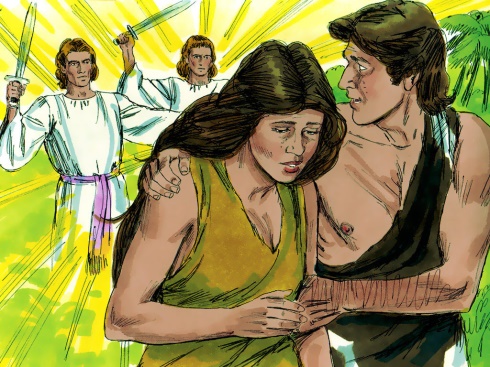
Though the birth of Jesus Christ took place at the beginning of the Common Era, a little over two thousand years ago, one needs to go to the time of Creation to put the life, teaching, and purpose of the person of Jesus Christ in perspective. God created everything from the void, including human beings. His creation was perfect, beautiful, meticulous, precise, and mysterious. All was well between God and man until man disobeyed God and fell from His grace. This brought misery and death to the human race. The evil one, Satan, had his way with man, and man progressively indulged in all forms of sin, including the worship of many false gods and idols.
Prologue 3: Patriarchs & Prophets
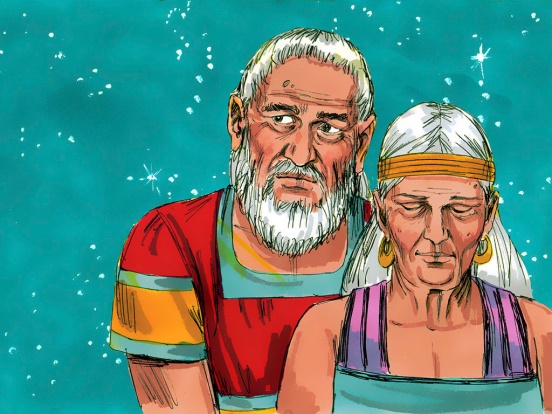
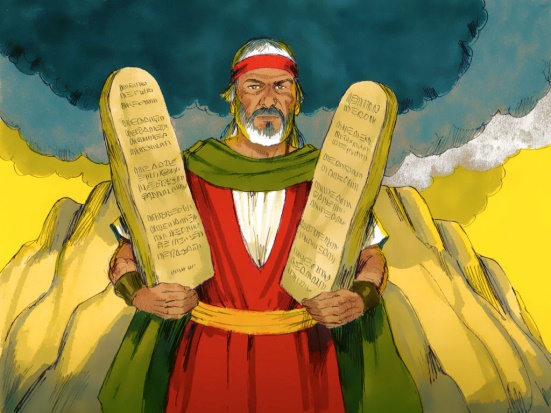
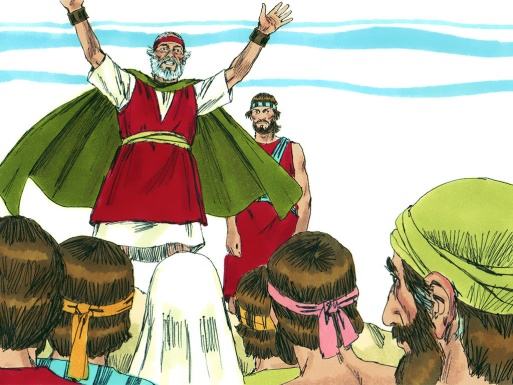
Humanity continued to sink deeper into sin and turned to false gods. This grieved God, and He employed many means to correct man. Several patriarchs, kings and rulers, prophets and high priests — such as Abraham, David, Solomon, Esther, Moses, Jeremiah, Isaiah, Jonah, Daniel, and Aaron, to name a few — were conduits for God to speak to the people on earth and ask them to turn away from their wicked ways and return to the one and only true God. But people would not heed, and remained in sin.
Prologue 4: The Israelites’ Journey to the Promised Land
“For thou art an holy people unto the Lord thy God: the Lord thy God hath chosen thee to be a special people unto himself, above all people that are upon the face of the earth. The Lord did not set his love upon you, nor choose you, because ye were more in number than any people; for ye were the fewest of all people: But because the Lord loved you, and because he would keep the oath which he had sworn unto your fathers, hath the Lord brought you out with a mighty hand, and redeemed you out of the house of bondmen, from the hand of Pharaoh king of Egypt. Know therefore that the Lord thy God, he is God, the faithful God, which keepeth covenant and mercy with them that love him and keep his commandments to a thousand generations;” — Deuteronomy 7:6–9 (KJV)
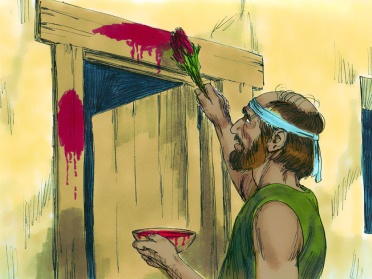
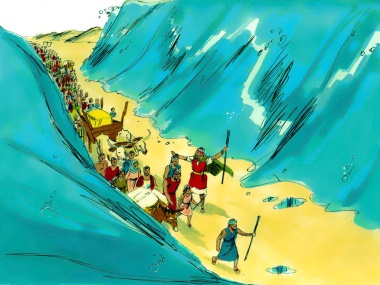
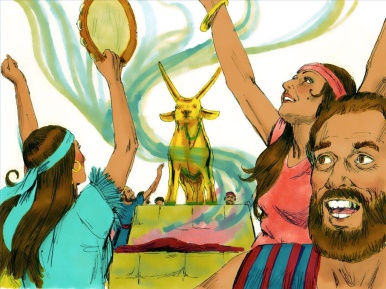
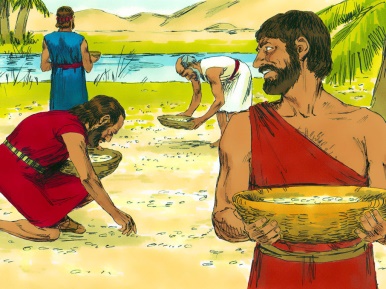
God had chosen a small nation, which came to be known as Israel, as His special people, and through them He wanted to correct the wrongs in the world. Ironically, they too disobeyed God time and again, and this led them into misery. They were held in captivity as slaves in Egypt for four hundred years. The Exodus from Egypt was engineered by God through Moses, who led them towards the promised land of plenty. But it took forty years for the Israelites to reach the land, or the Holy Land, as it is known now, because of their disbelief and disobedience. It was during this journey that God gave Moses the Ten Commandments on Mount Sinai.
Prologue 5: Pre-Christ Life in Israel
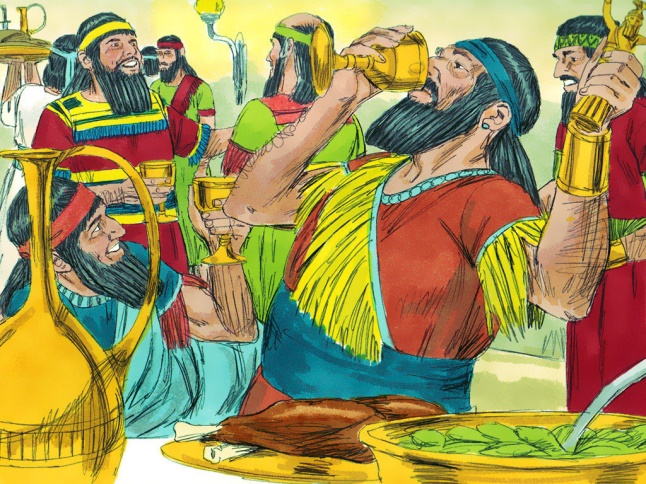
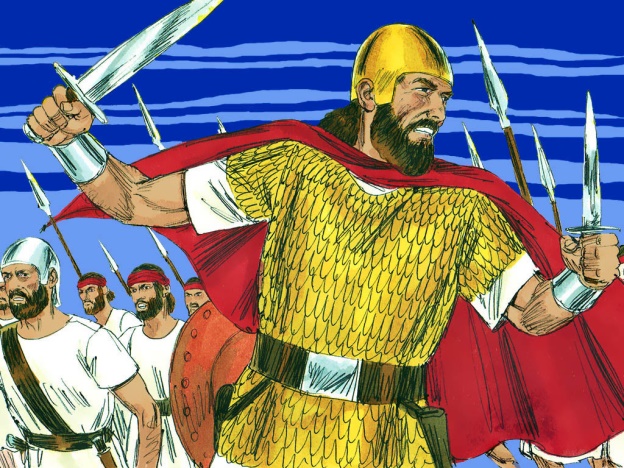
Eventually, they crossed the River Jordan and entered the Promised Land, to find that it was occupied by the Canaanites, whom they had to defeat in battle. There were several other small kingdoms living in the region, including the Hittites, the Amorites, the Perizzites, the Hivites, and the Jebusites. Thereafter, the Israelites were ruled by King Saul, David, and Solomon. The kingdom was then divided into two: ten tribes formed the northern kingdom of Israel, and two formed the southern kingdom of Judah. Samaria was the capital of Israel, and Jerusalem the capital of Judah. The Hebrew word “Yehudi” (“Jew” in English) is derived from the name Judah.
Prologue 6: Israel under Roman Rule
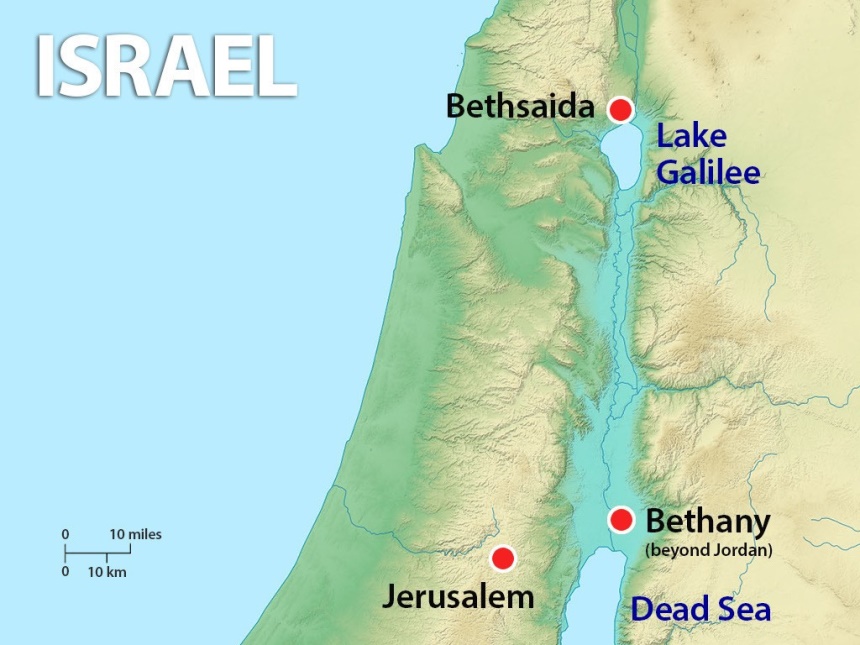
During the first century BC, Rome extended its dominion over Israel. In 63 BC, after much turmoil and civil war within Israel, the Roman general Pompey invaded and conquered Jerusalem. To keep control over the Galilean and Judean peoples, the Roman Senate, at Mark Antony’s urging, declared Herod king in 40 BC; it would take him three further years of fighting, with Roman military support, before he gained actual control of Jerusalem in 37 BC. He eventually became one of the Emperor Augustus’s favoured allies, admired for his extensive building programme. Herod died around 4 BC, and his kingdom was then divided among his sons; direct Roman rule over Judea itself, through a Roman governor, was not established until AD 6. Throughout, the Jews retained only a measure of religious independence, and were burdened with heavy Roman taxation. With no army or weapons of their own to resist Rome, all they could do was wait eagerly for the Messiah of whom the prophets had spoken.